Description
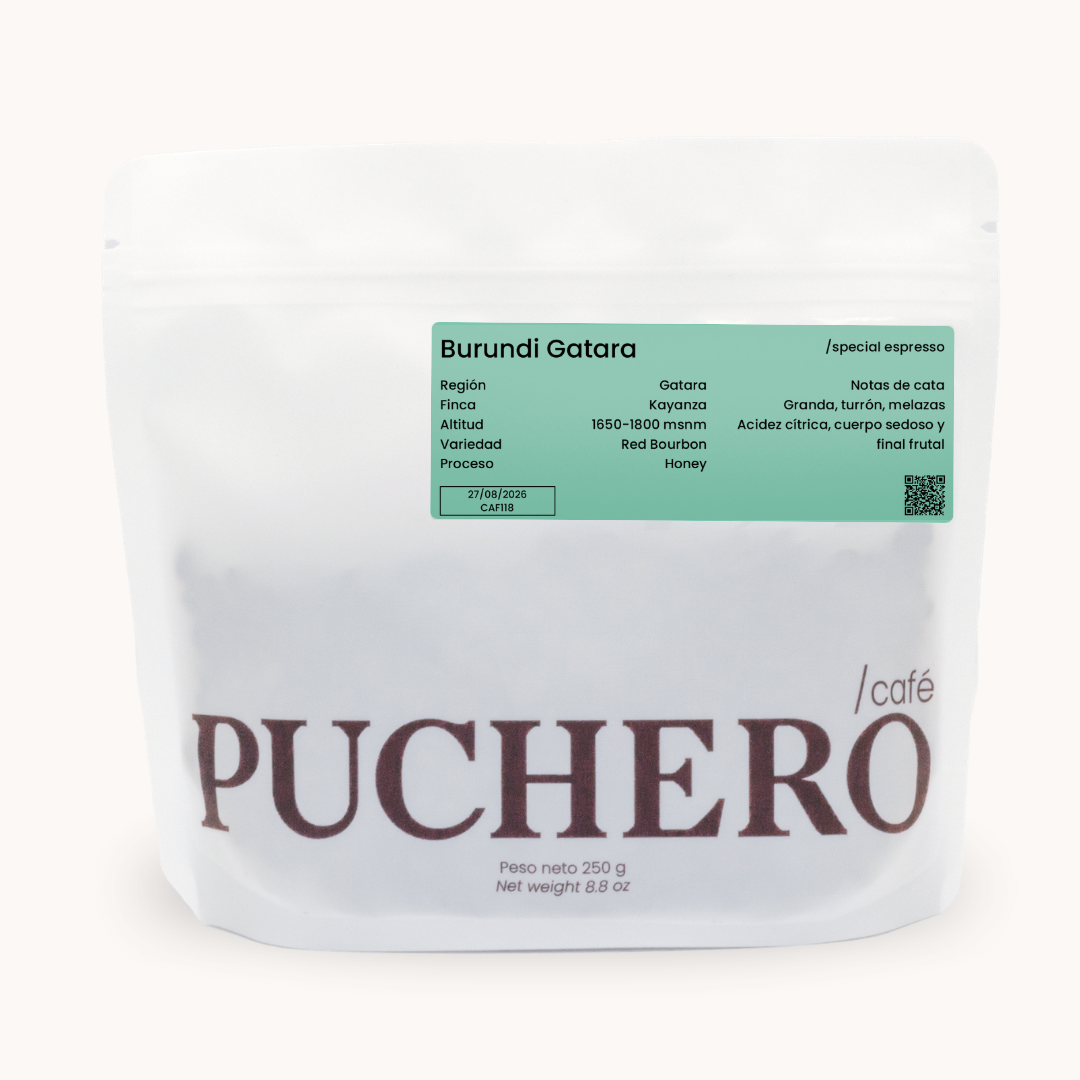
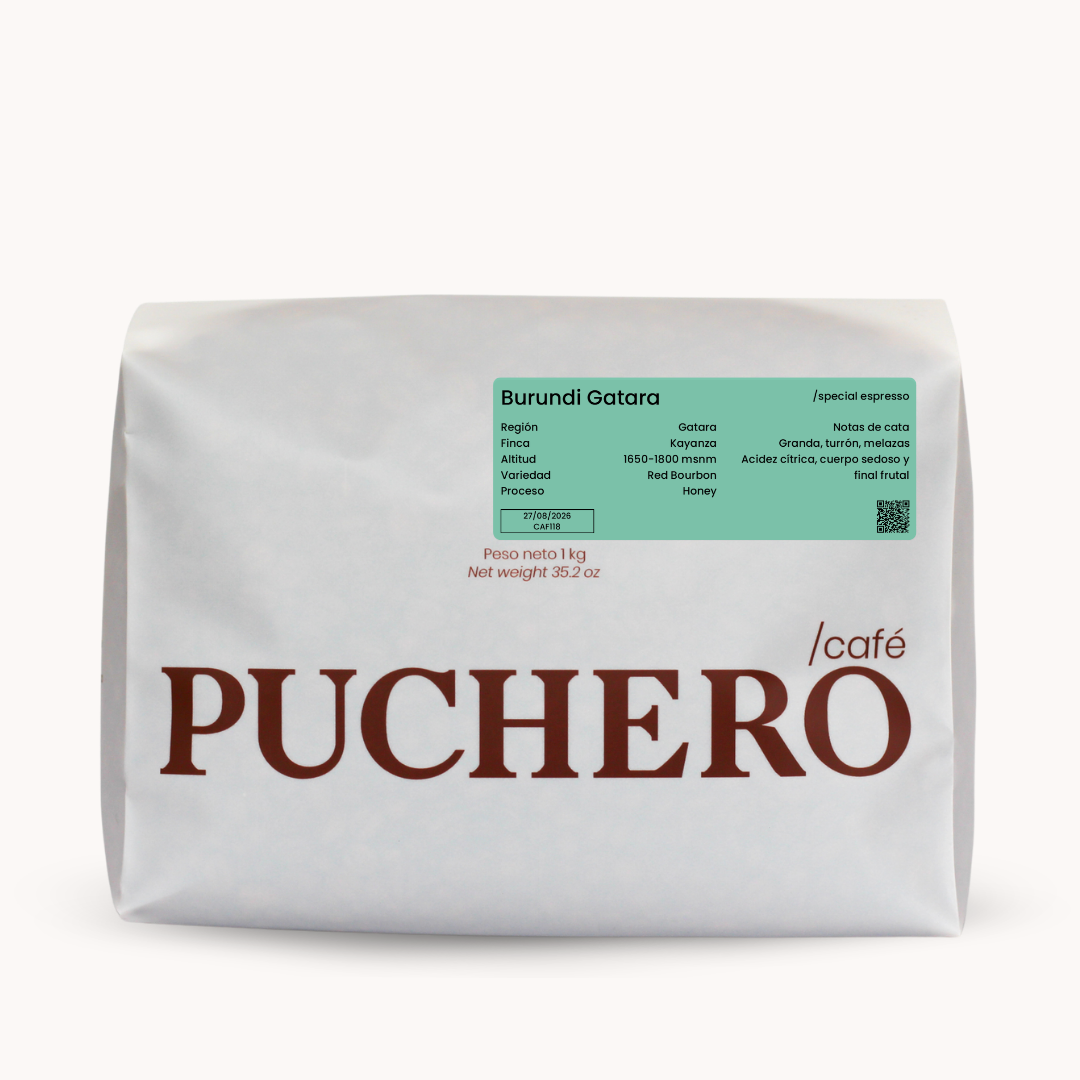
Burundi
Gatara
/special espresso
| Country | Burundi |
| Region | Gatara |
| Farm | Kayanza |
| Height | 1,650–1,800 meters above sea level |
| Variety | Red Bourbon |
|
Process
|
Honey |
TASTING NOTES
Granada, nougat, molasses
Citrus acidity, silky body, and a fruity finish
Burundi Gatara
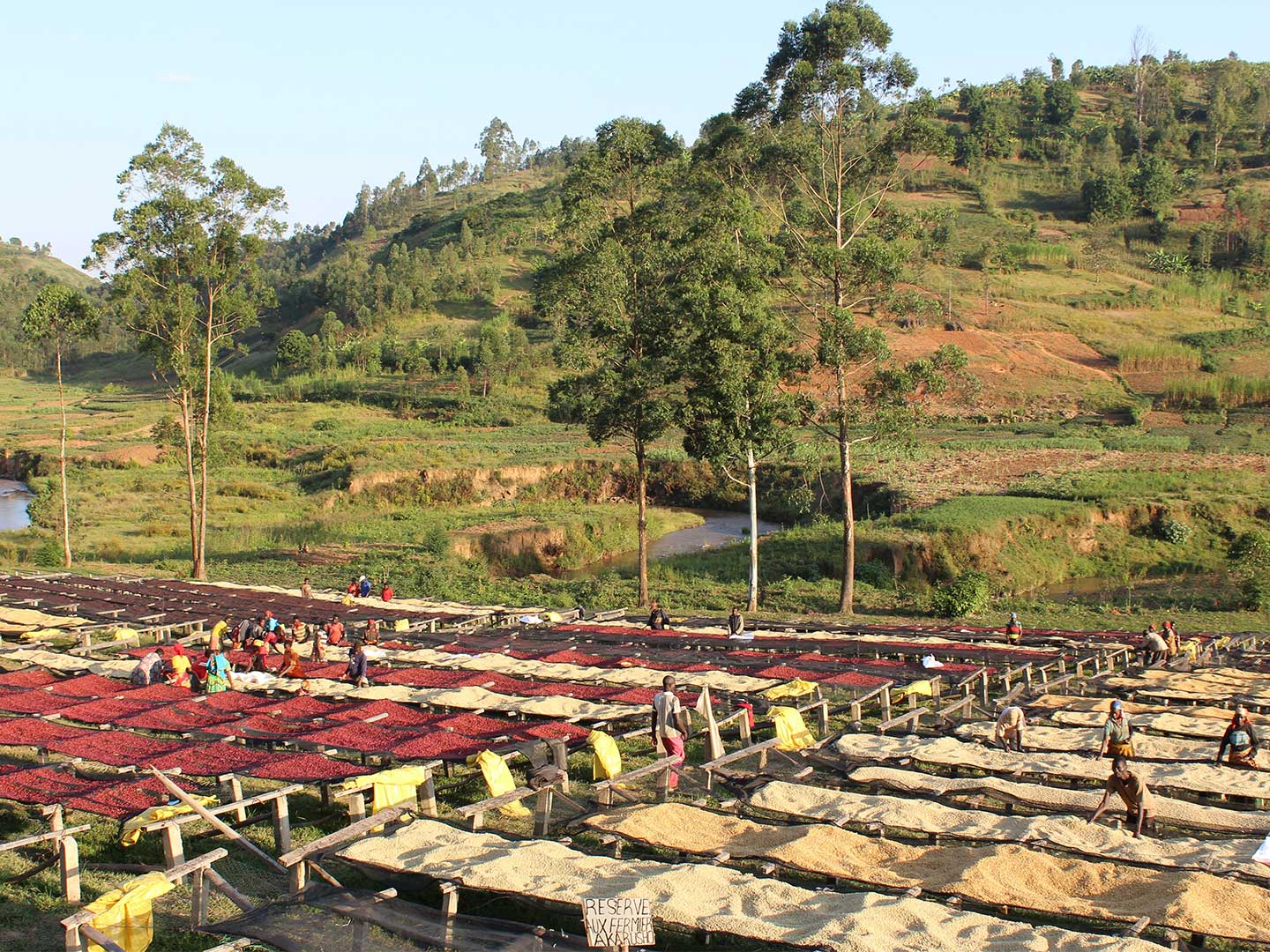
The Gakenke station in Gatara was built in 1991. With 224 drying beds, it can process up to 750 metric tons per season. The station has 2,685 registered member farmers, spread across 22 hills in the Gatare commune, Kayanza province. These farmers are organized into groups of 30 people, each led by a “ Producer ” to facilitate communication and coordination with the station Washed. Farmers typically have an average of 250 trees. The Gakenke station participates in several agricultural support and extension projects, including a livestock breeding project and various initiatives focused on strengthening cooperatives and improving yields.
Most coffee trees in Burundi belong to the Red Bourbon Variety , chosen for their quality. Due to the increasingly smaller size of coffee plantations, the aging of rootstocks poses a major problem in Burundi. Many farmers have trees that are over 50 years old, but with small plots, it is difficult to justify completely removing the trees from production during the 3 or 4 years it takes for new plantings to begin bearing fruit. To encourage farmers to renew their plantations, Greenco purchases seeds from the Burundi Institute of Agricultural Sciences (ISABU), establishes nurseries, and sells the seedlings to farmers at cost or even below cost.
Despite the ubiquity of coffee cultivation in Burundi, each small Producer y yields a relatively small harvest. The average small Producer y has about 250 trees, usually in their backyards. Each tree produces an average of 1.5 kilos of coffee cherries, so the average Producer sells between 200 and 300 kilos of coffee cherries per year.
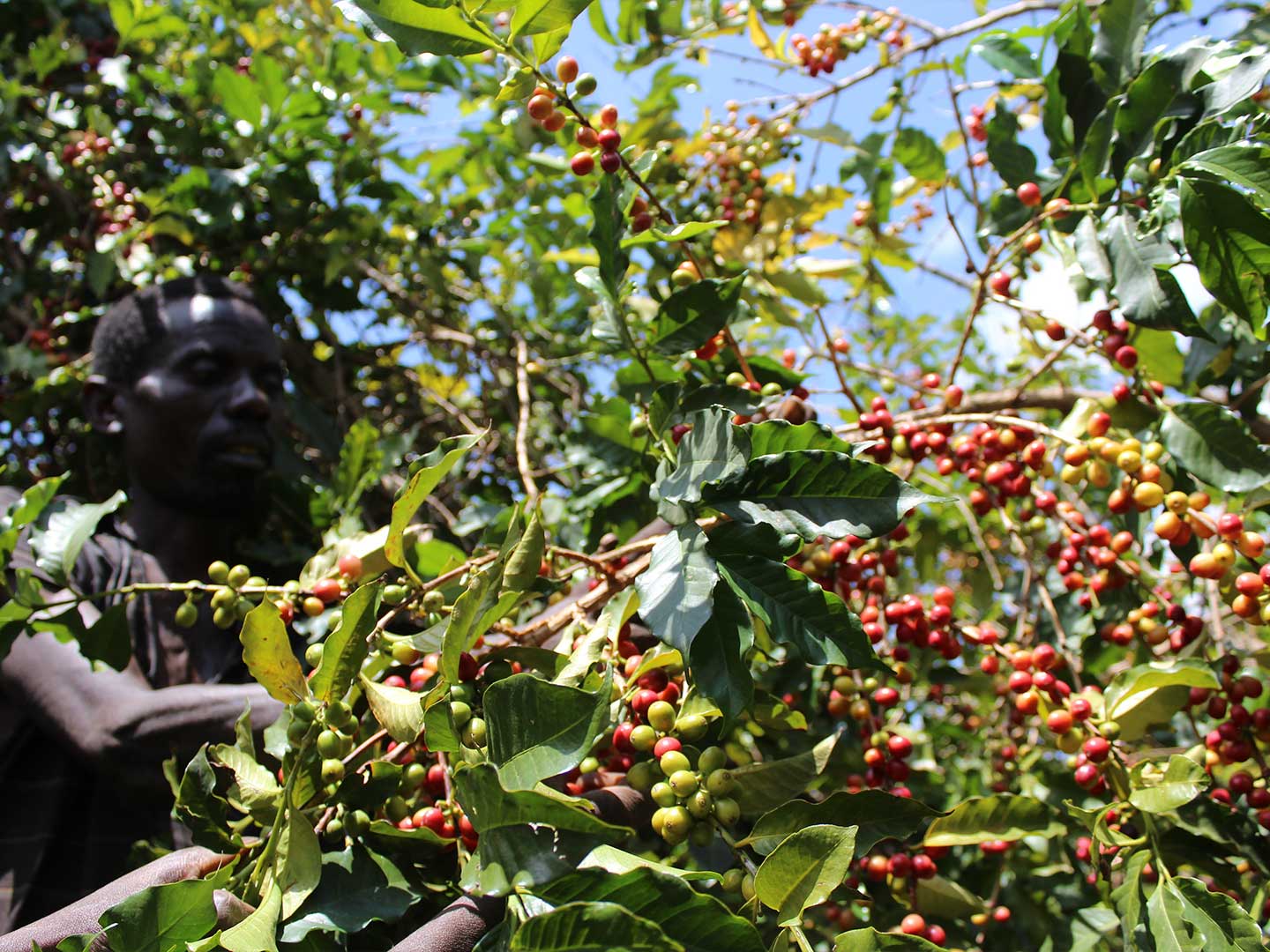
The cherries are selectively harvested by hand, mainly by members of the farmer's family. Upon receipt, all cherries are placed in small buckets to check their quality. Greenco purchases the cherries that float (damaged, unripe, etc.), but immediately separates them and markets them only as B-grade cherries. After floating, the higher-quality cherries are sorted again by hand to remove damaged, unripe, and overripe ones.
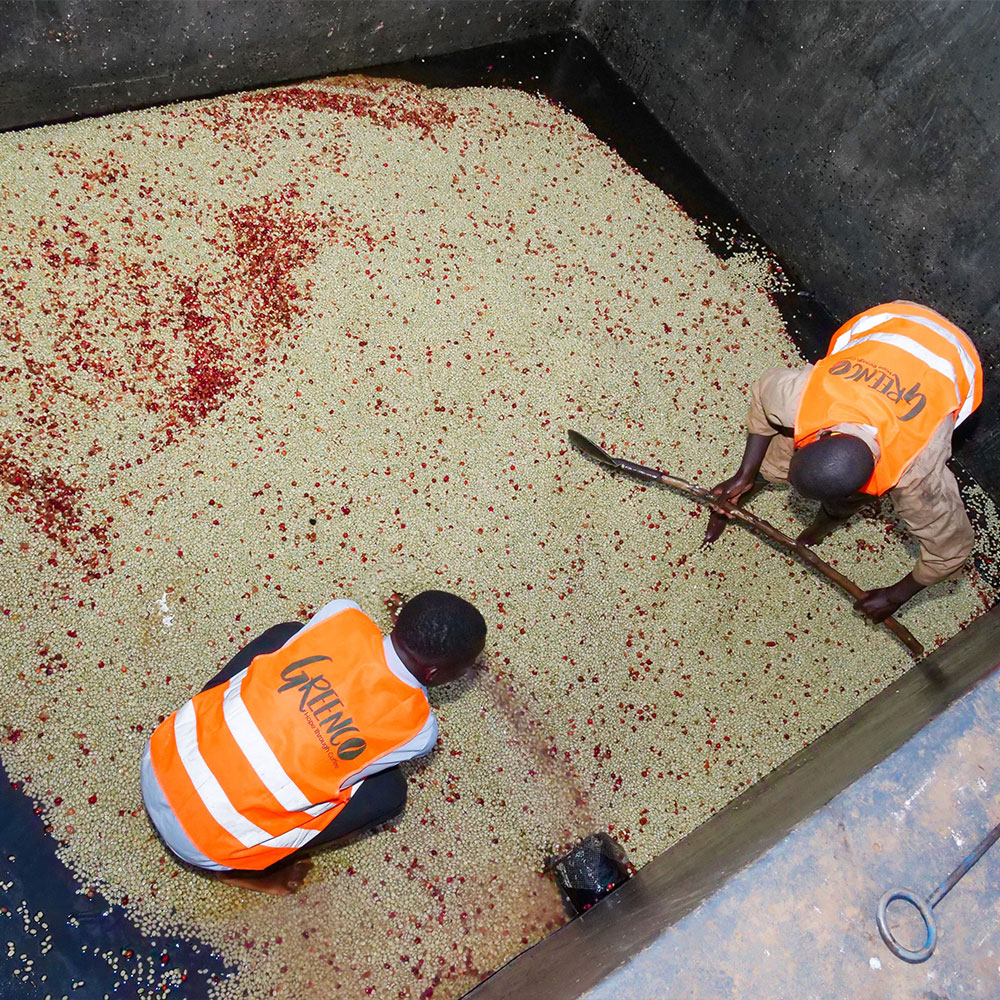
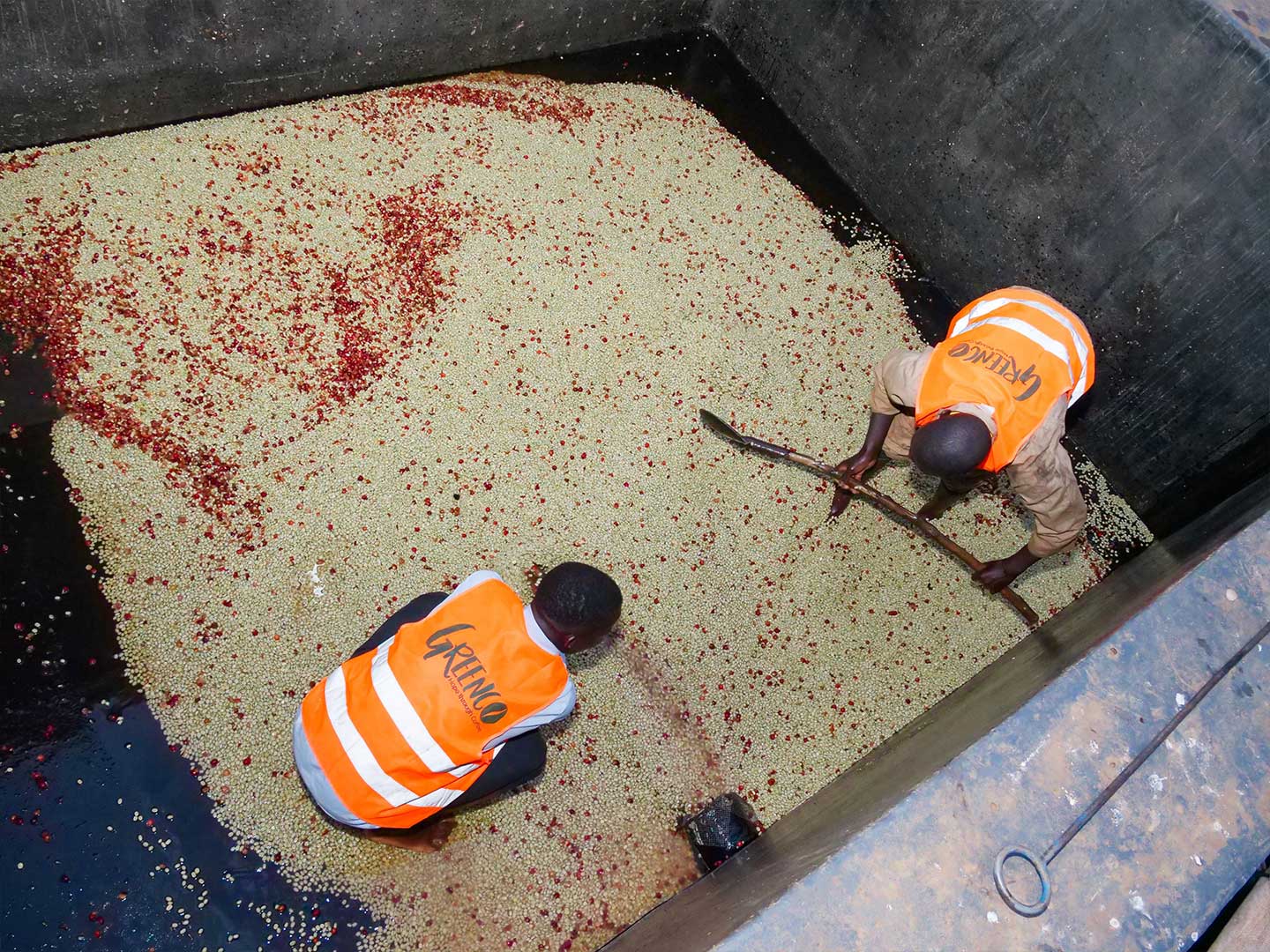
After grading, the coffee cherries are pulped within 6 hours of delivery. During the pulping process, the cherries are separated into high- and low-quality batches based on their density in a Mackinon 3-disc pulper equipped with an additional separation disc.
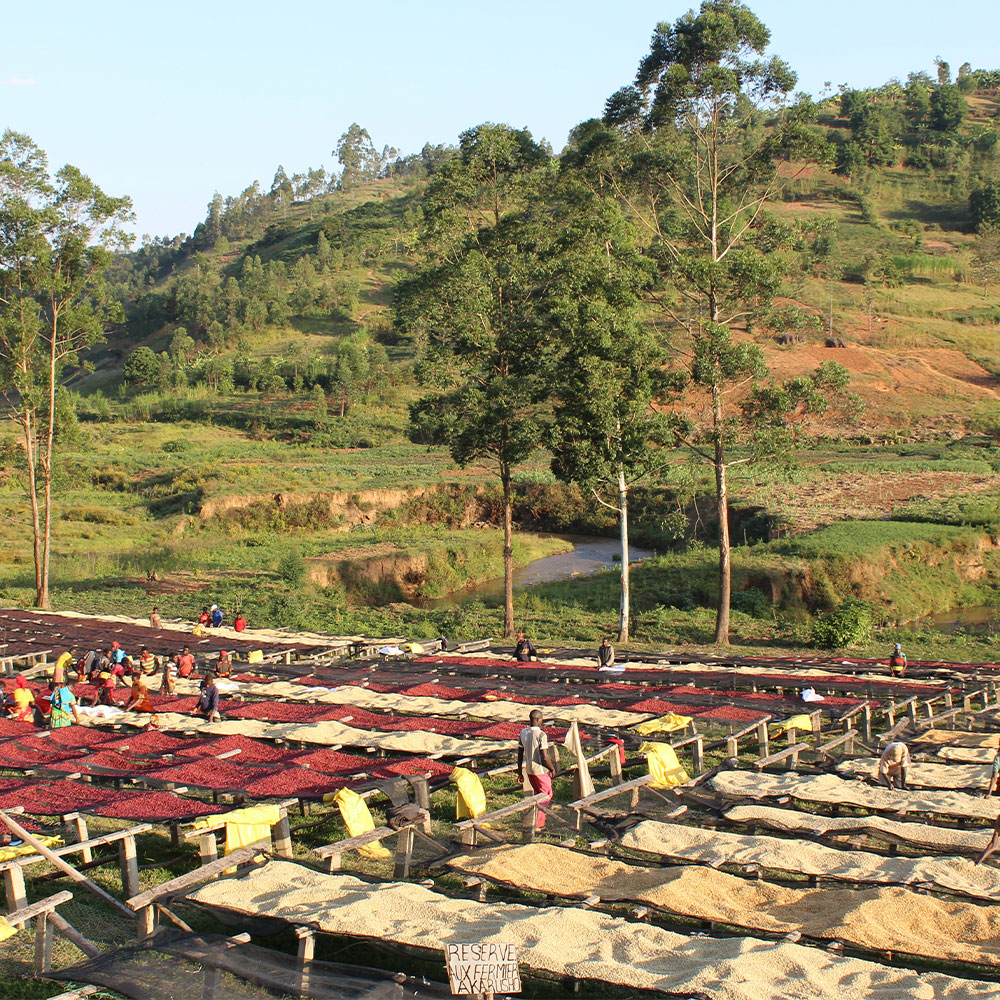
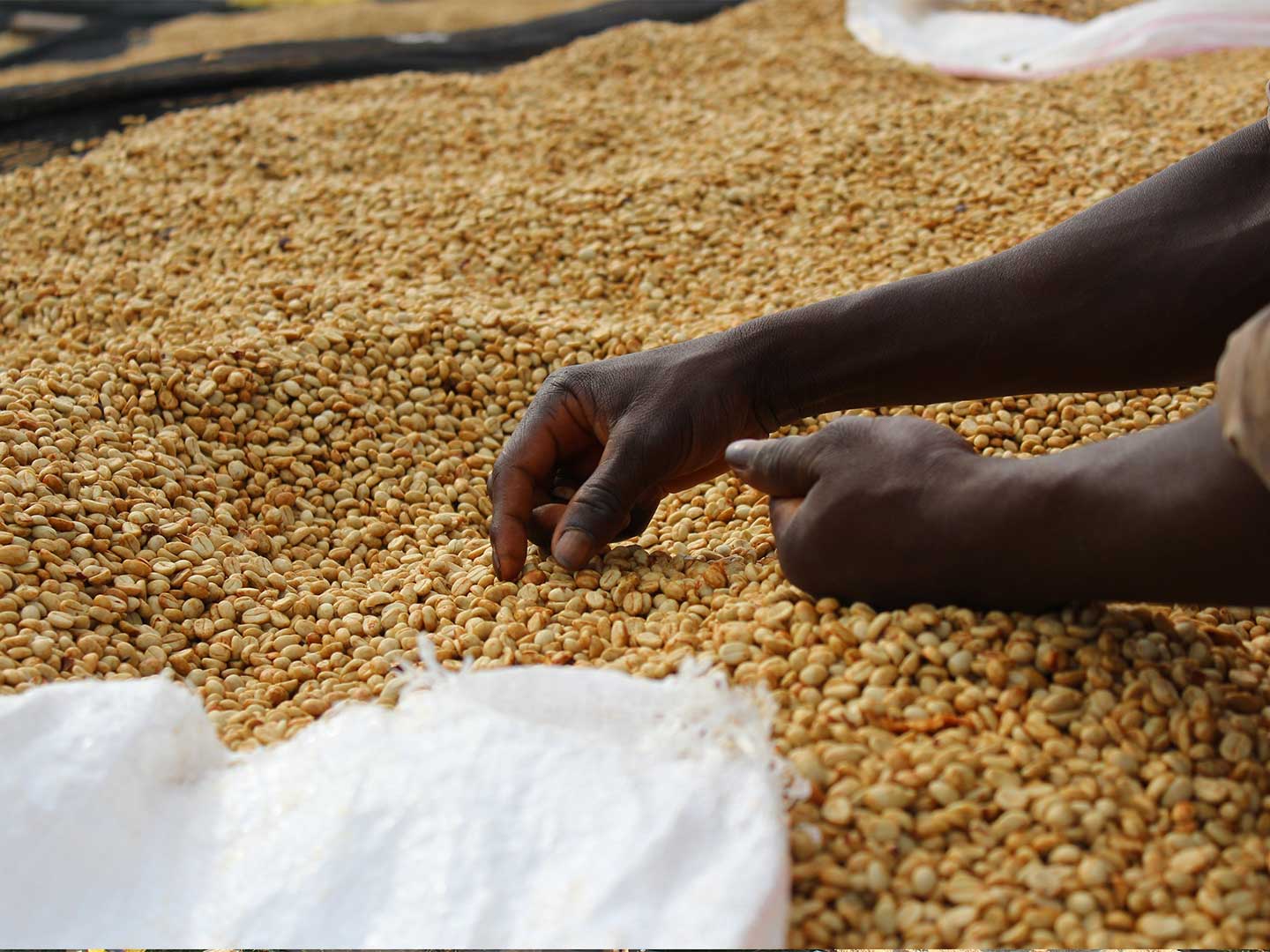
The coffee and the remaining mucilage are transported to the drying tables, where they are slowly dried for 2–3 weeks. During this time, they are repeatedly sorted and sifted to ensure uniform drying. The coffee is left to dry from sunrise to sunset and is covered with a sheet at night or when it rains. The moisture level is carefully monitored, and any parchment with visible defects is removed. Once dry, the parchment is bagged and taken to the warehouse. Greenco’s team of expert tasters evaluates each lot (categorized by season, day, and quality) in the lab. Traceability by season, day, and quality is maintained throughout the entire process.