Description
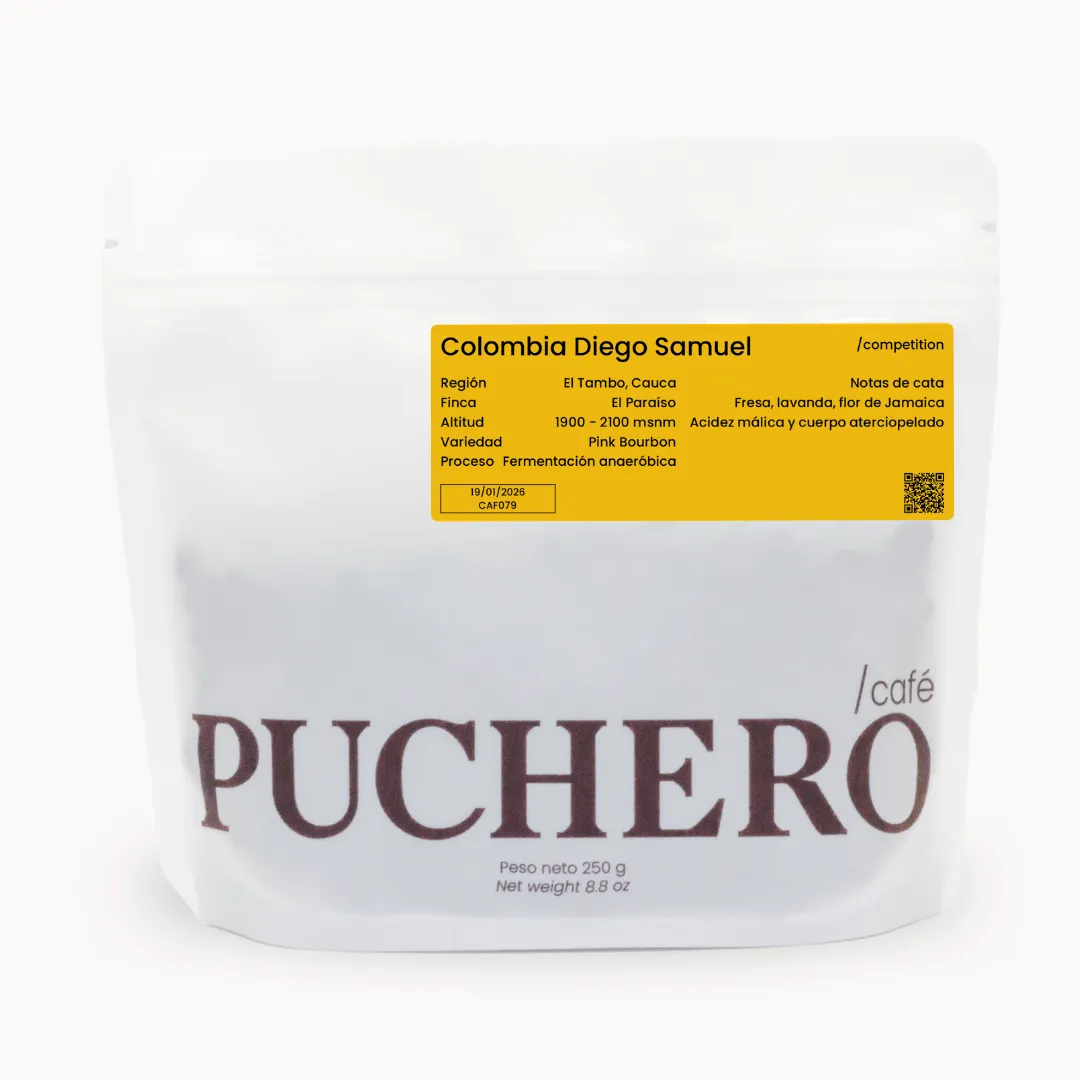
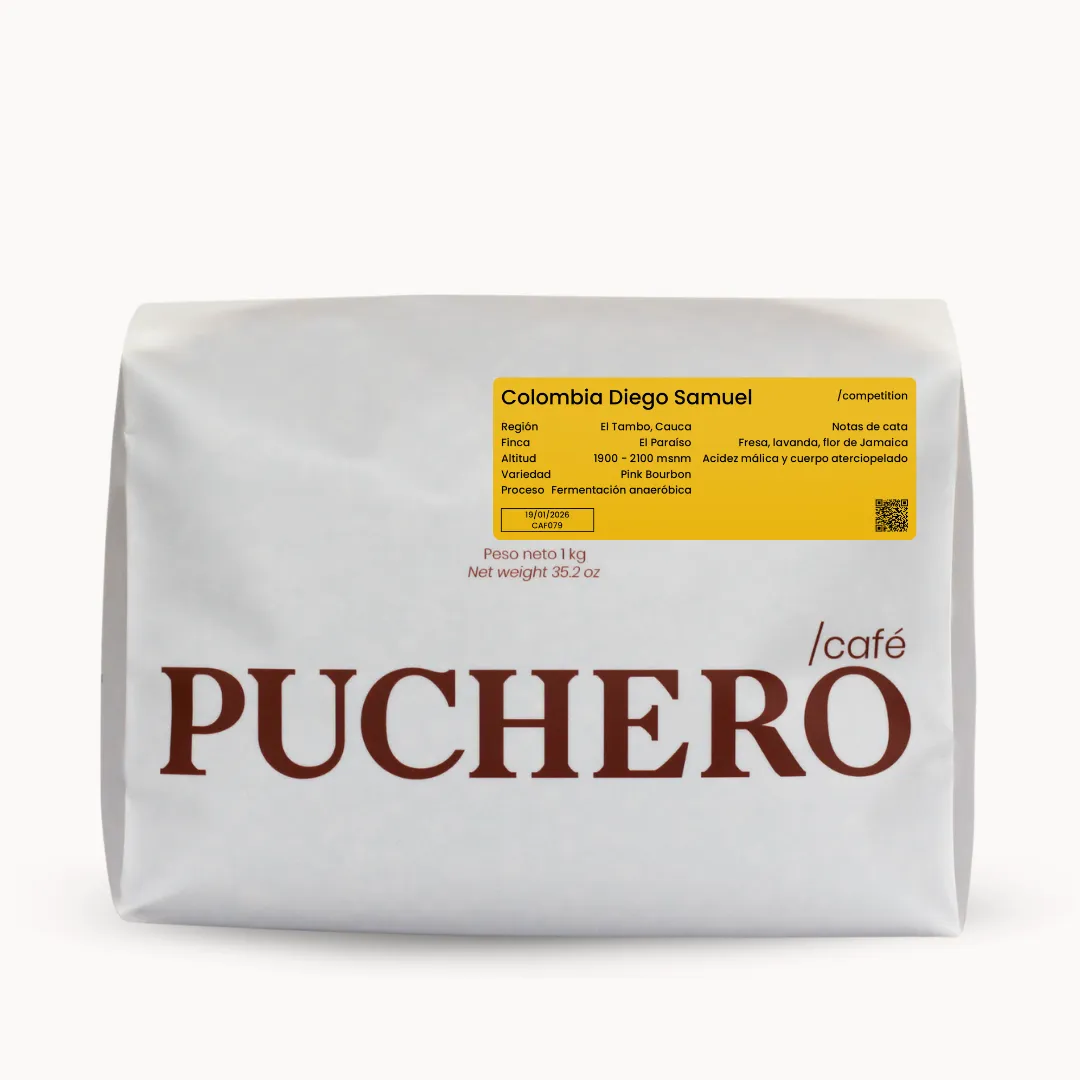
Colombia
Diego Samuel
Anaerobic fermentation
/competition
| Country | Colombia |
| Region | El Tambo, Cauca |
| Farm | Paradise |
| Height | 1900 – 2100 meters above sea level |
|
Variety
|
Pink Bourbon |
|
Process
|
Anaerobic fermentation |
TASTING NOTES
Strawberry, lavender, hibiscus
Malic acidity and a velvety body
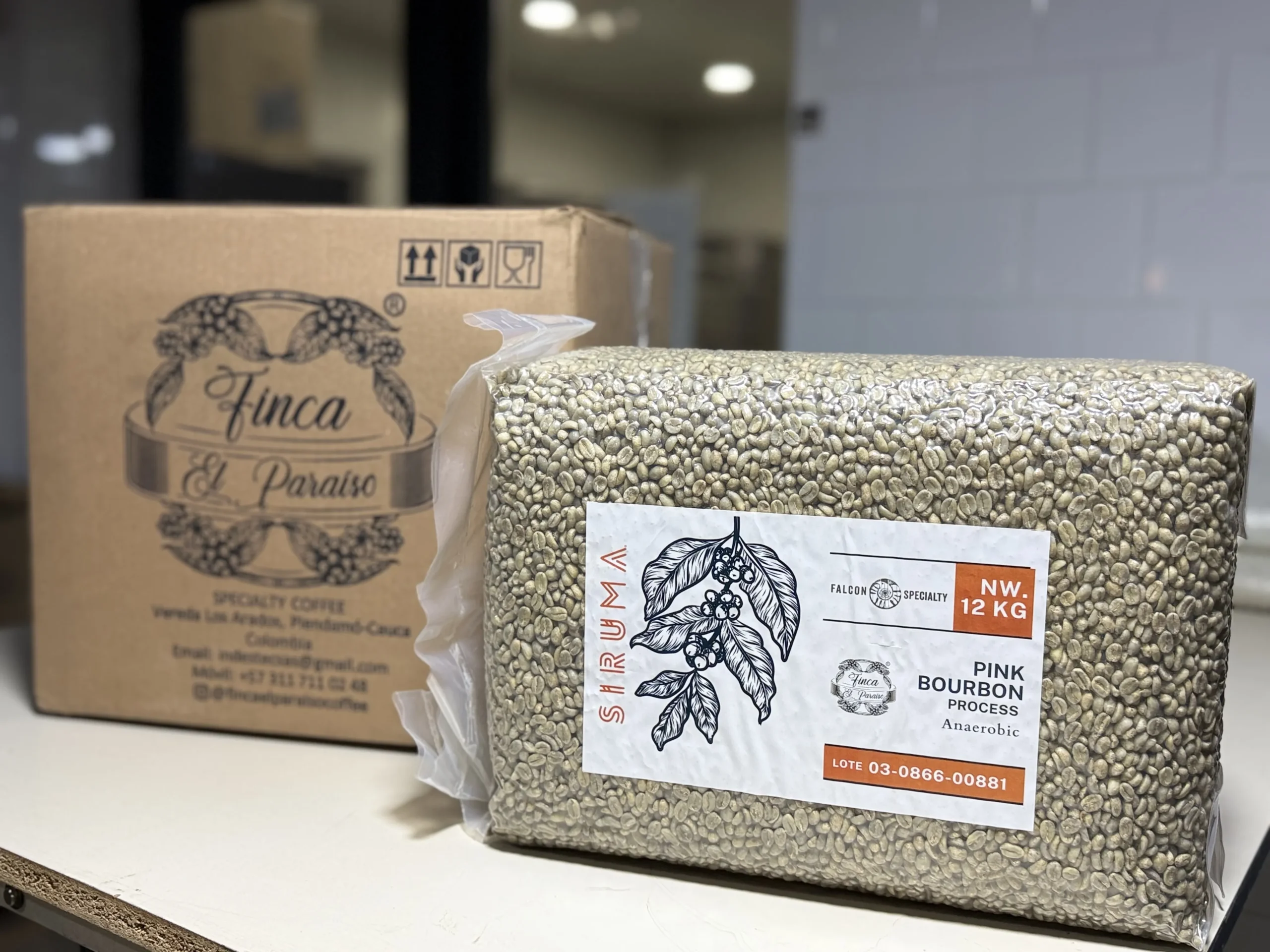
Diego Samuel - Anaerobic Pink Bourbon
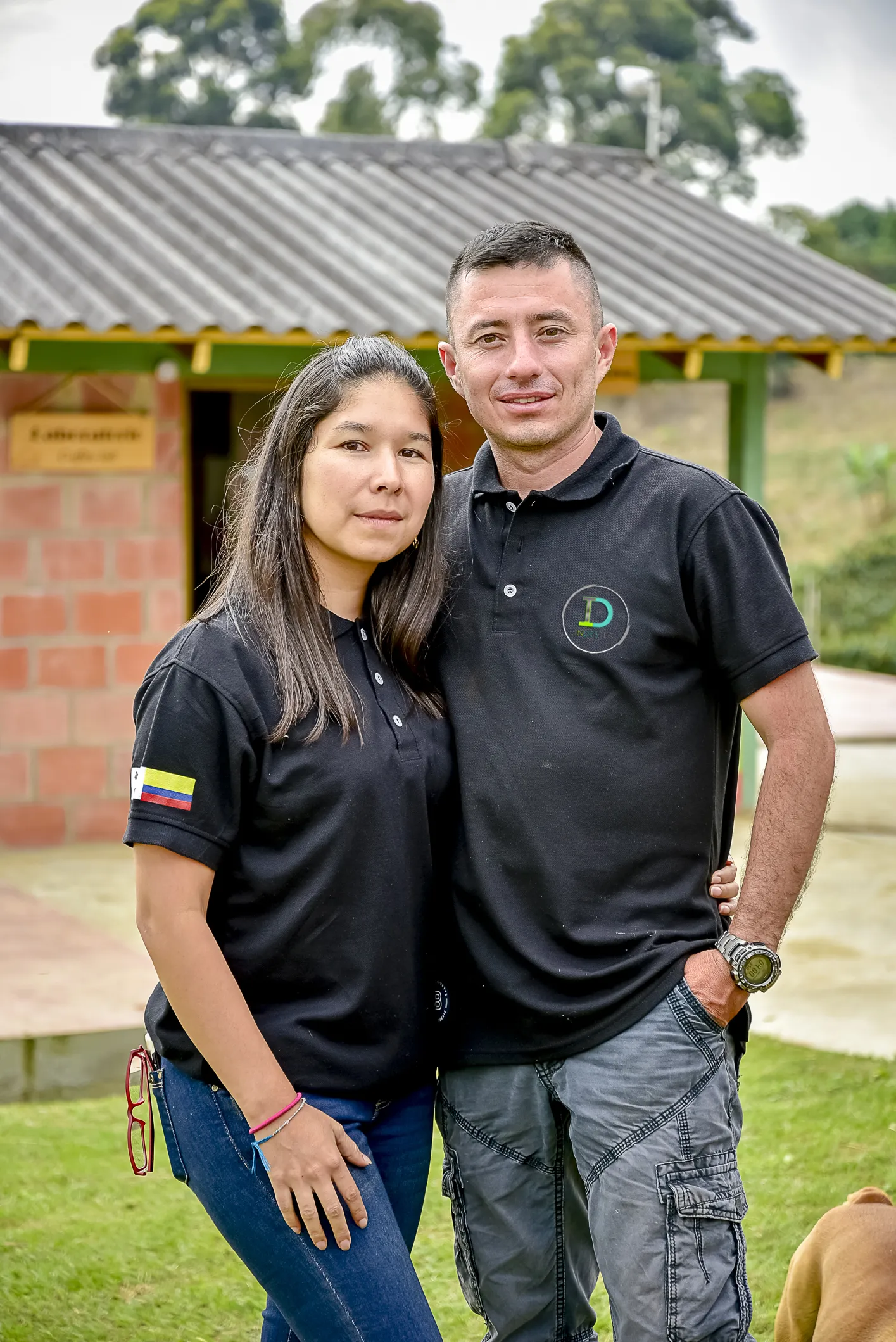
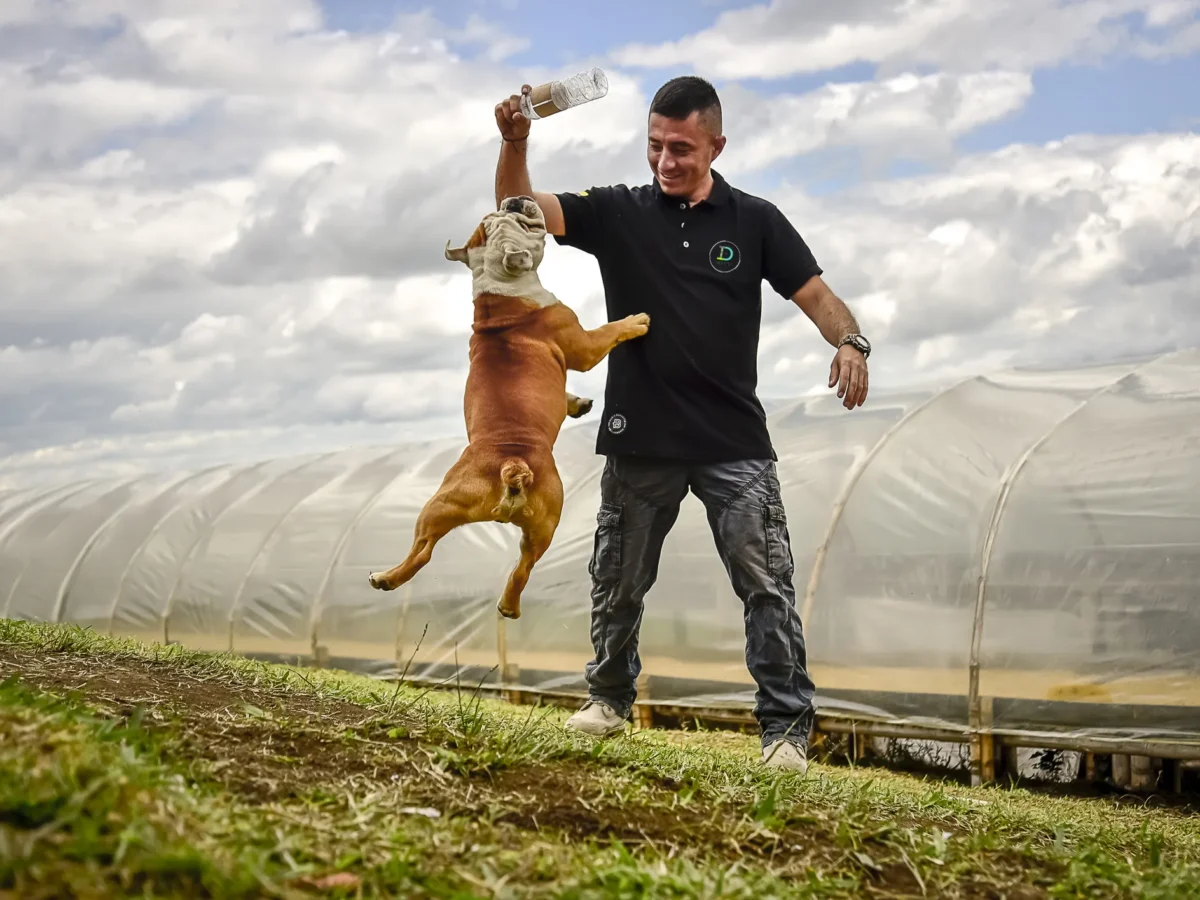
Diego Samuel, born in Cauca, Colombia, has dedicated the last 13 years of his life to growing, researching, and refining specialty coffee. His expertise in critical fermentation and production processes has enabled him to develop coffees with extraordinary sensory profiles, recognized for their complexity, balance, and uniqueness.
The El Paraíso farm, located in El Tambo, Cauca, at an elevation of 1,700 meters above sea level, spans 27 hectares of farmland planted with carefully selected varieties such as Castillo, Colombia, Caturra, Pink Bourbon, and Geisha.
Its approach focuses particularly on technical innovation and precise quality controls at every stage of production to maximize coffee quality—from the cherry to the cup.
Production Process – Anaerobic Pink Bourbon
This batch of Anaerobic Pink Bourbon is processed using an experimental and controlled methodology designed to enhance the natural characteristics of the " Variety " and develop unique aromatic compounds:
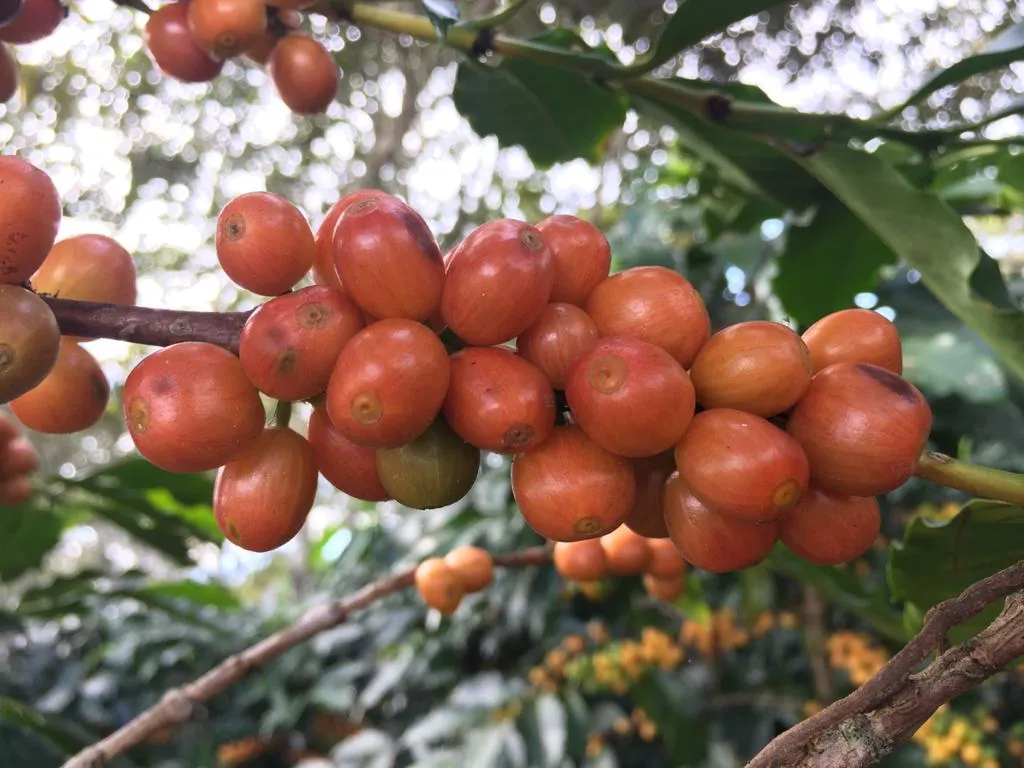
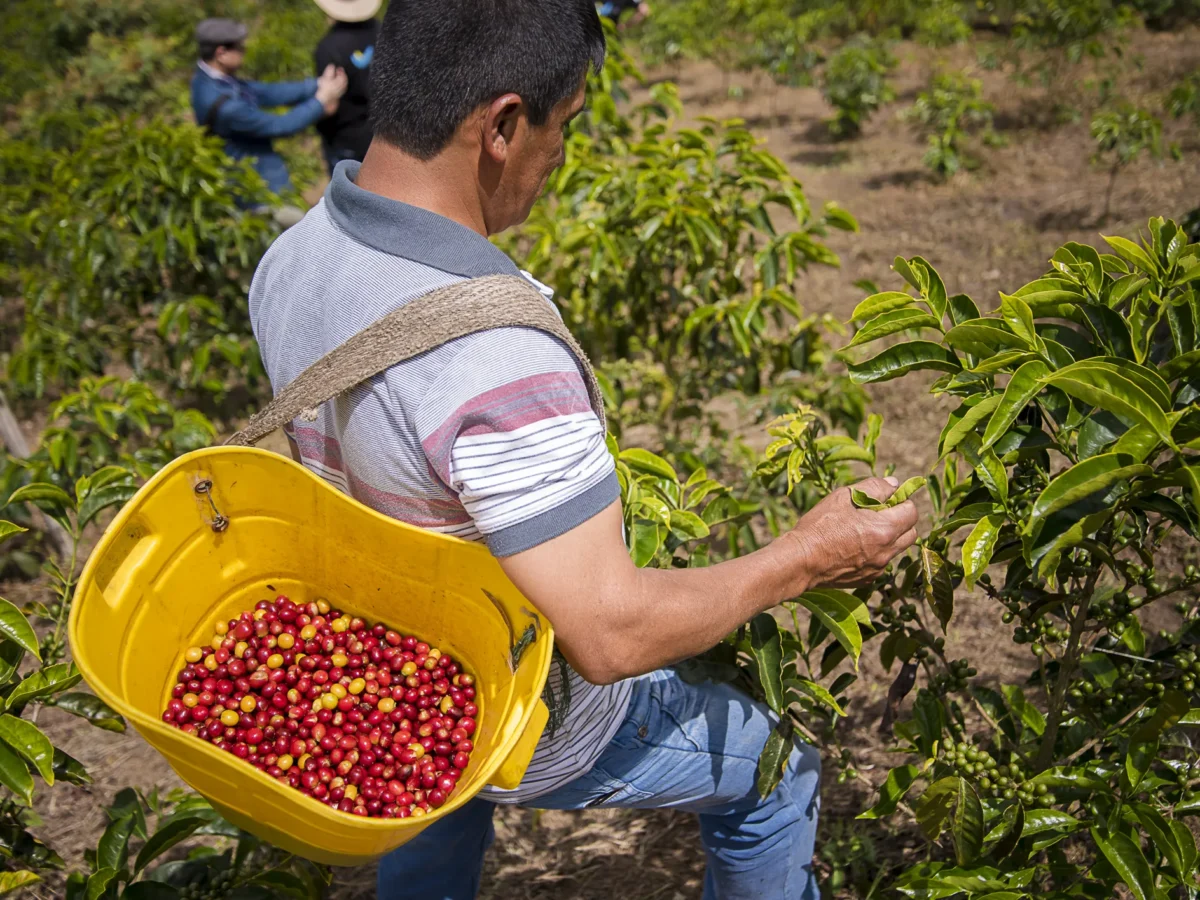
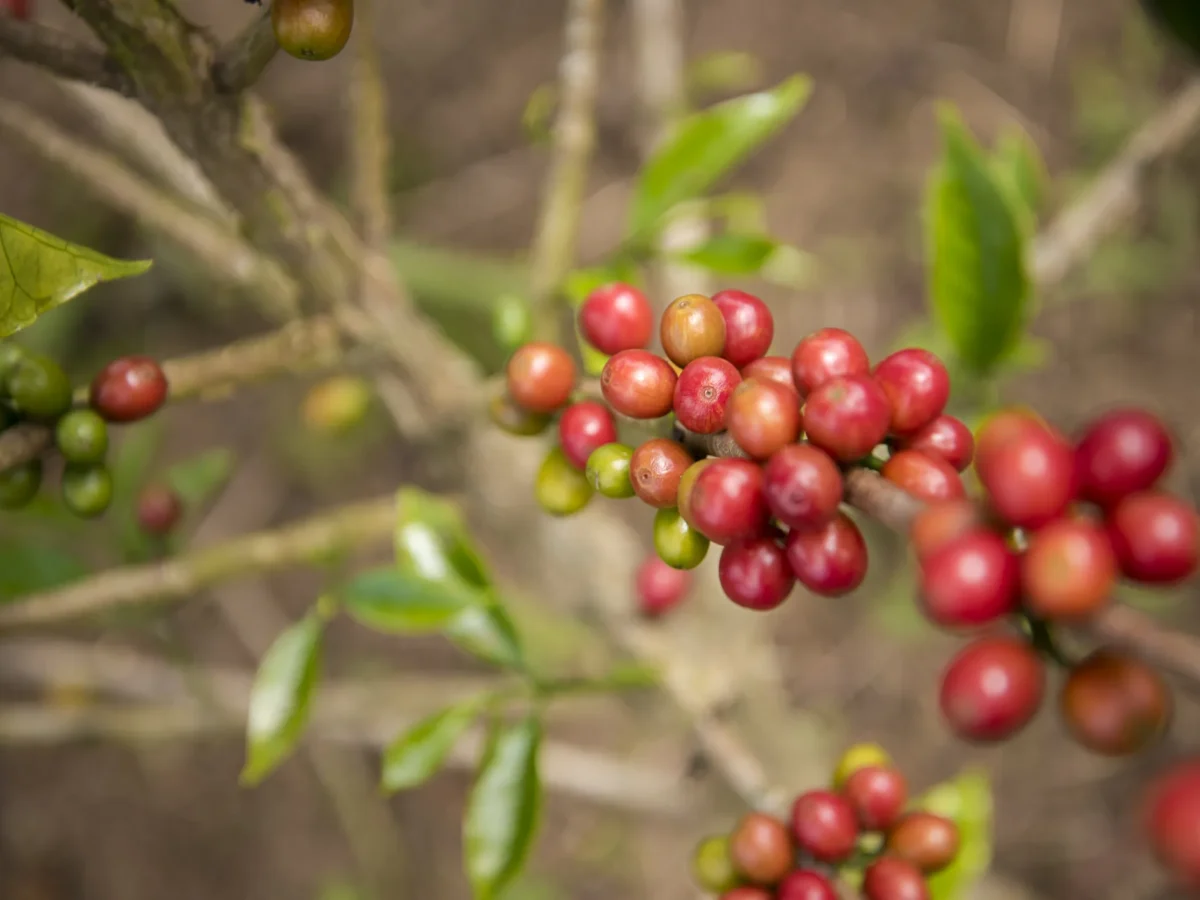
- Hand-picking:Harvesting cherries at their peak ripeness to ensure the highest concentration of sugars and aromatic precursors.
- Initial washing:The cherries are washed with sterilized water to reduce the microbial load and ensure a cleaner, more controlled fermentation.
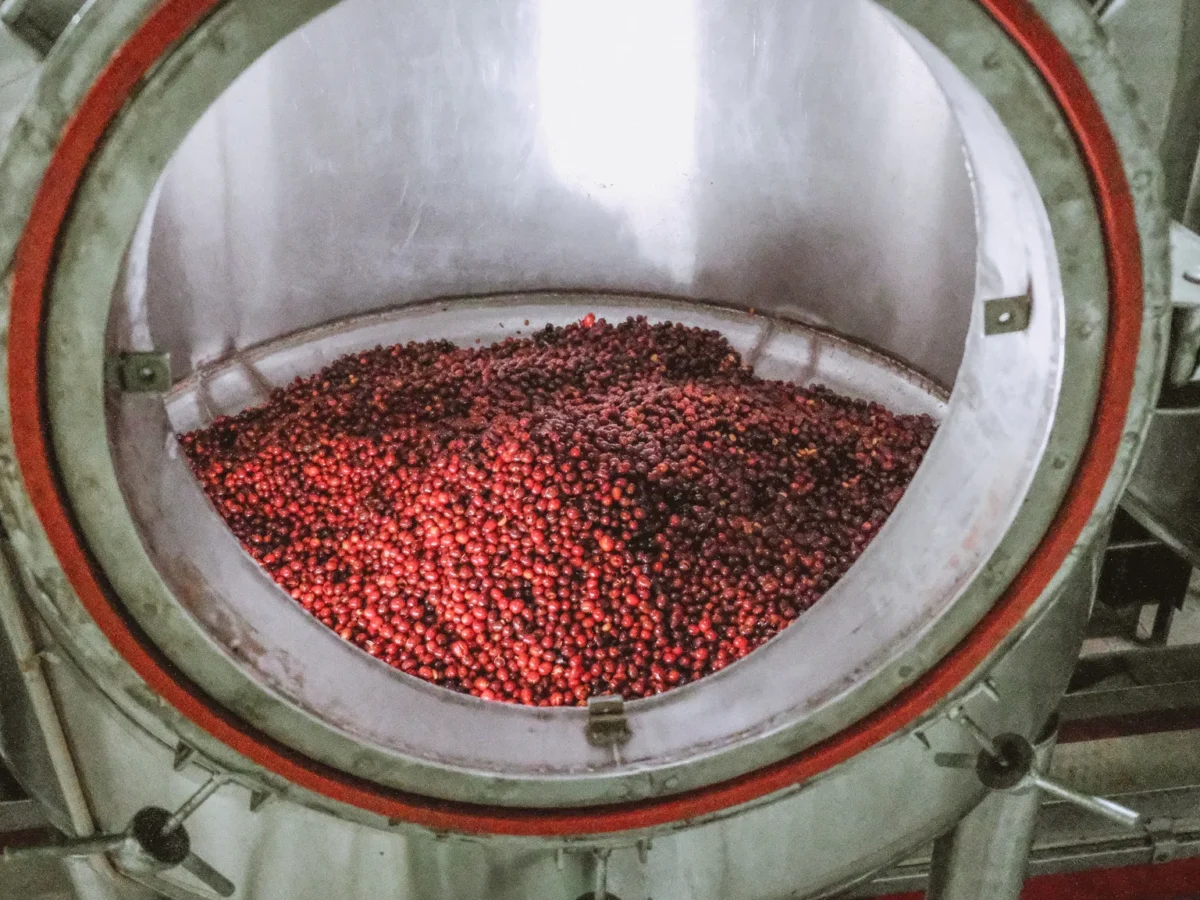
- Primary fermentation – Aerobic (without water):Fermentation takes place in the presence of oxygen for 42 hours at 17 °C to initiate the controlled breakdown of sugars and activate beneficial microorganisms that will contribute to the grain’s final profile.
- Second and Third Fermentation – Anaerobic:The cherries are fermented without oxygen for 72 hours at 19 °C, creating an environment in which yeasts and bacteria transform the sugars in a unique way. By limiting the presence of oxygen, anaerobic fermentation produces more complex and distinctive flavors compared to traditional methods.
- Depulping and double fermentation: After the pulp is removed, the beans are placed back in an anaerobic environment for a secondary fermentation, which deepens the aromatic compounds that are transferred to the bean. This double-fermentation approach contributes to greater sensory complexity, enhancing fruity and floral notes.
- Controlled drying:Drying takes place over 26 hours with aeration at 37 °C and 3% relative humidity, until the grain reaches a final moisture content of 10–11%. This precise drying process helps stabilize delicate aromatic compounds and prevent defects.
- Stabilization in GrainPro:The coffee is packaged in airtight GrainPro bags and allowed to stabilize for 15 days before shipment, allowing the aromatic compounds to settle and resulting in a more consistent and defined cup profile.