
Description
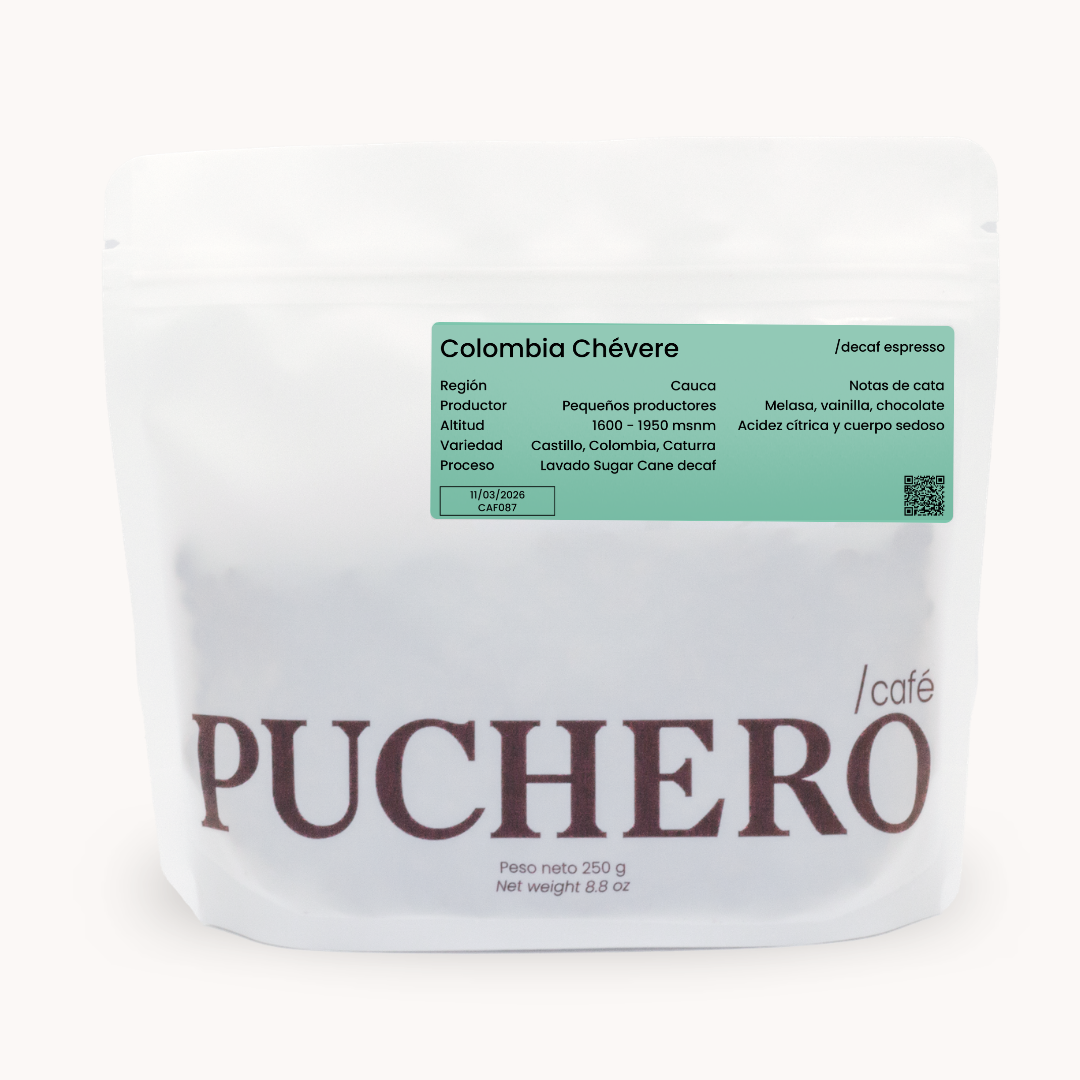
Colombia
Cool
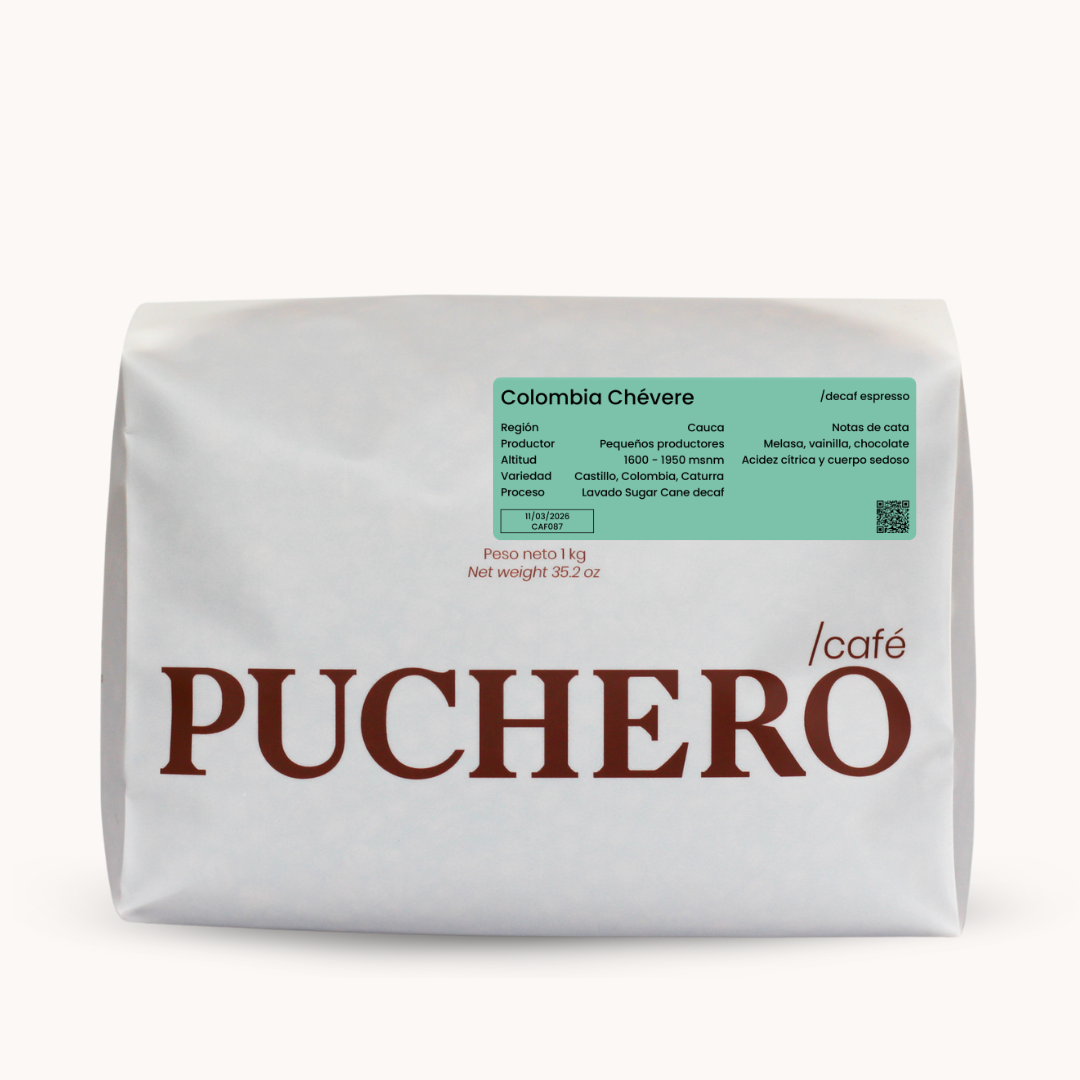
Sugar cane /decaf
| Country | Colombia |
| Region | Cauca |
| Producer | Small producers |
| Height | 1,600–1,950 meters above sea level |
|
Variety
|
Castillo, Colombia, Caturra |
|
Process
|
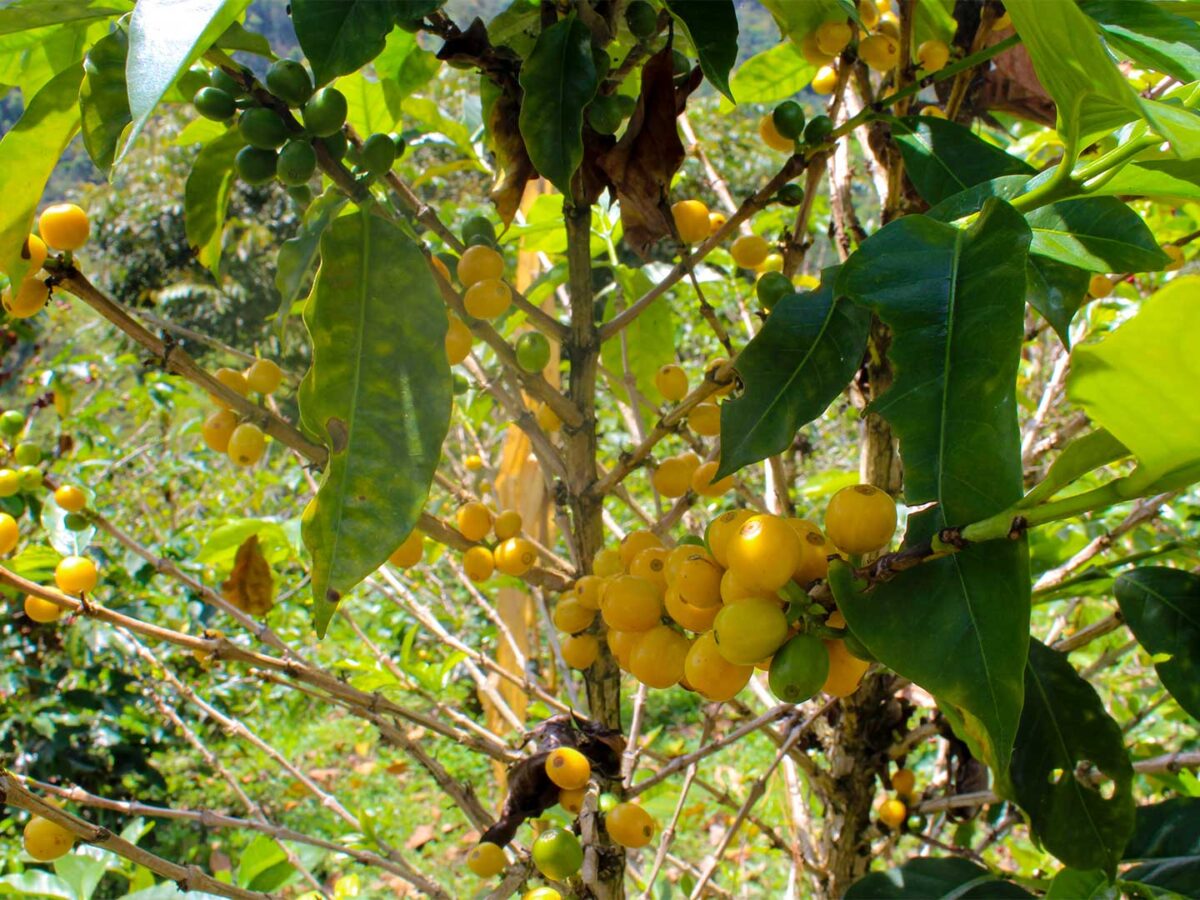
Washed Decaffeinated Washed Cane |
TASTING NOTES
Molasses, vanilla, chocolate
Citrus acidity and a silky body
Colombia Chévere Decaf
This coffee has been decaffeinated using the "sugar cane" process, which relies on sugar cane extract. This is a process unique in the world that removes caffeine without affecting the coffee's flavor. All the pleasure of coffee, without the caffeine.
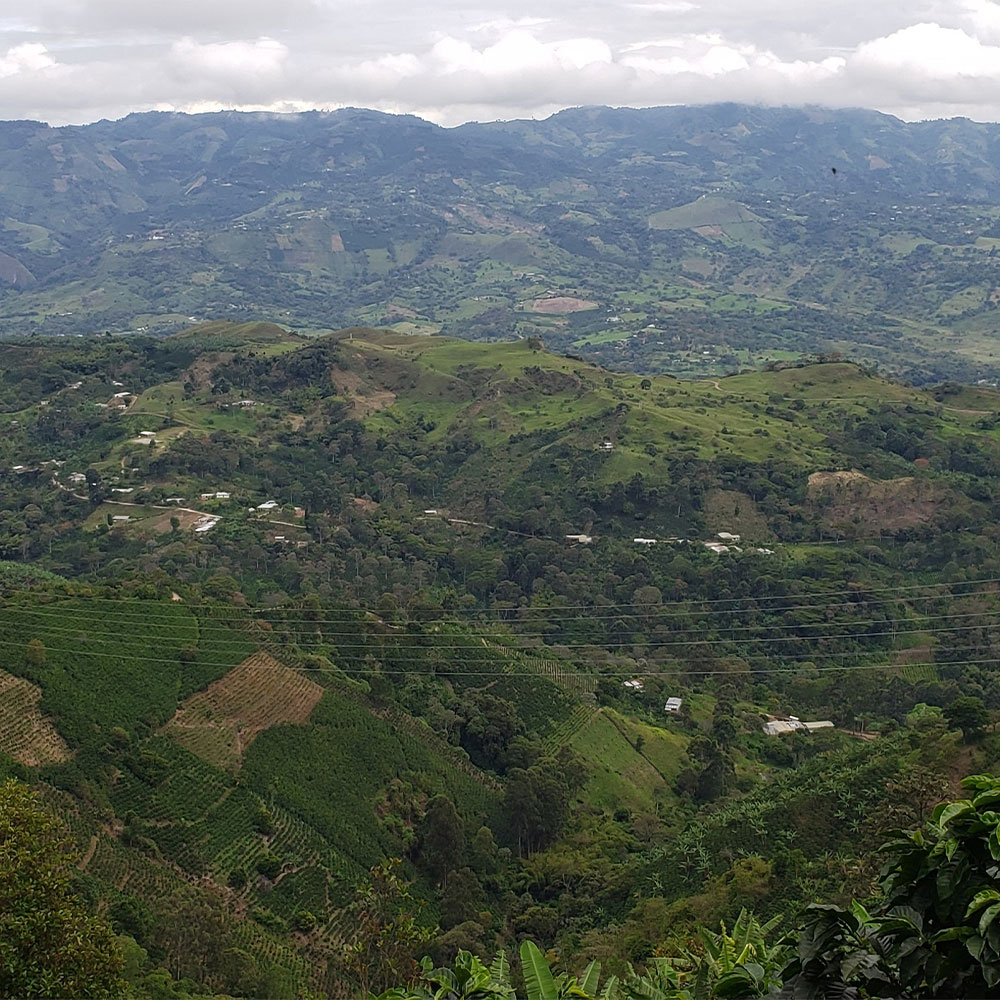
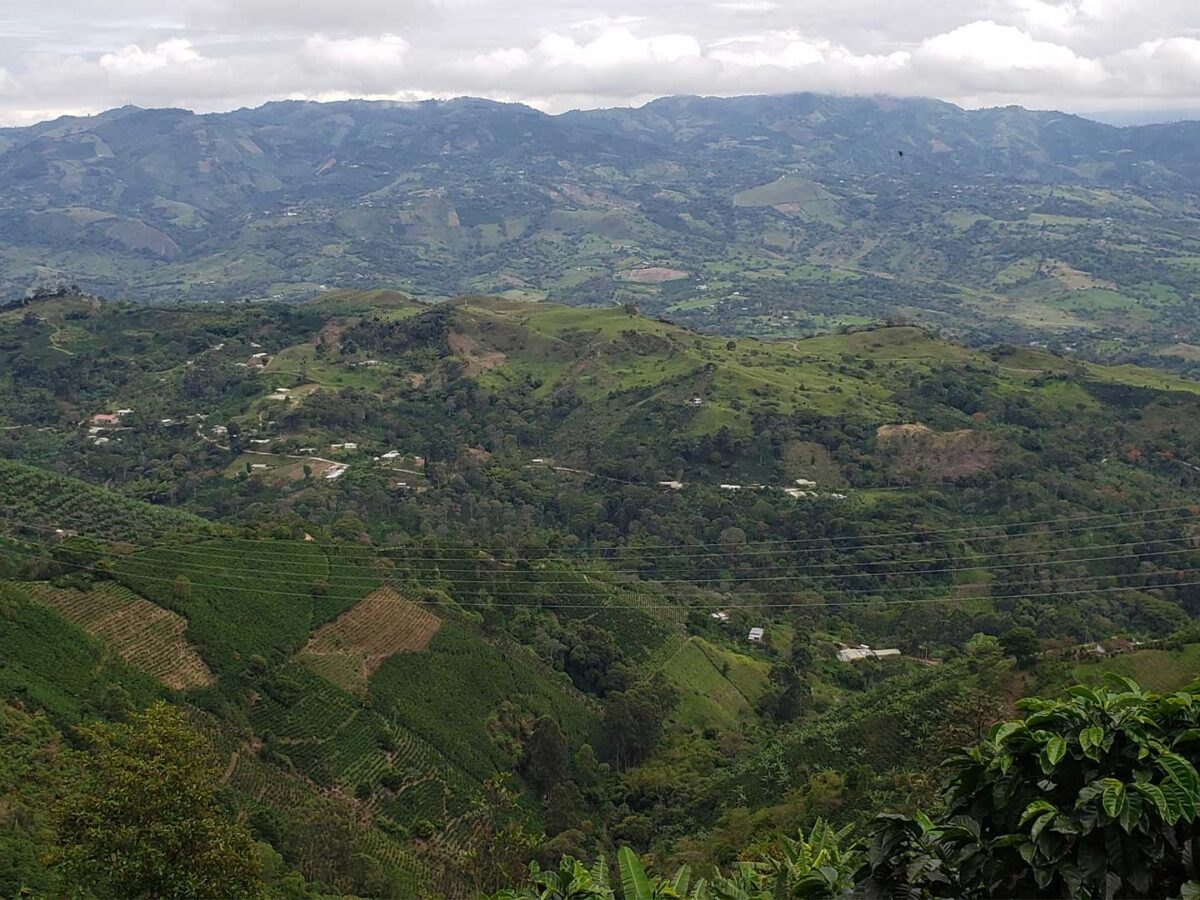
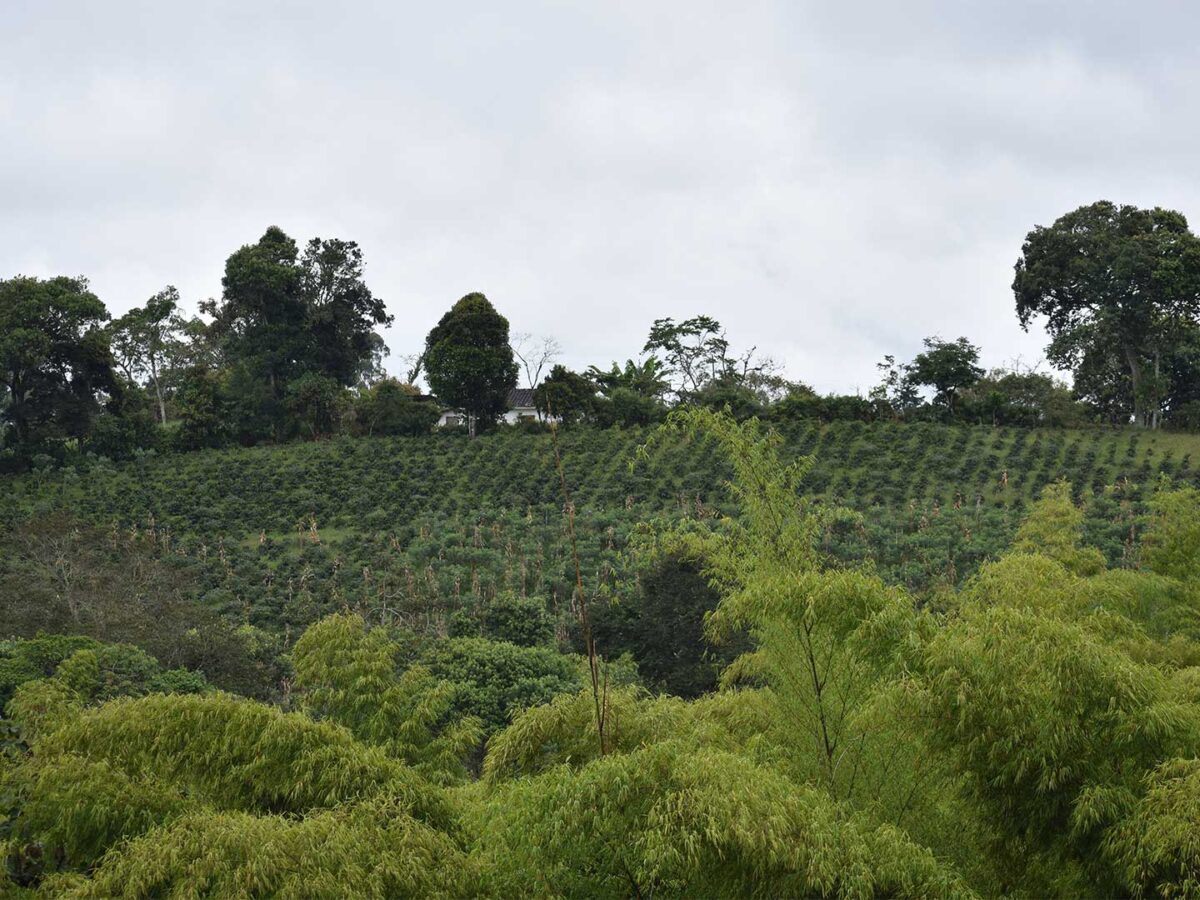
This coffee is grown in the mountains surrounding the city of Popayán. The high plateaus of the Cauca region are ideal for coffee production, with volcanic soils and a stable climate year-round, protected from the humidity of the Pacific and the trade winds from the south by the surrounding mountains.
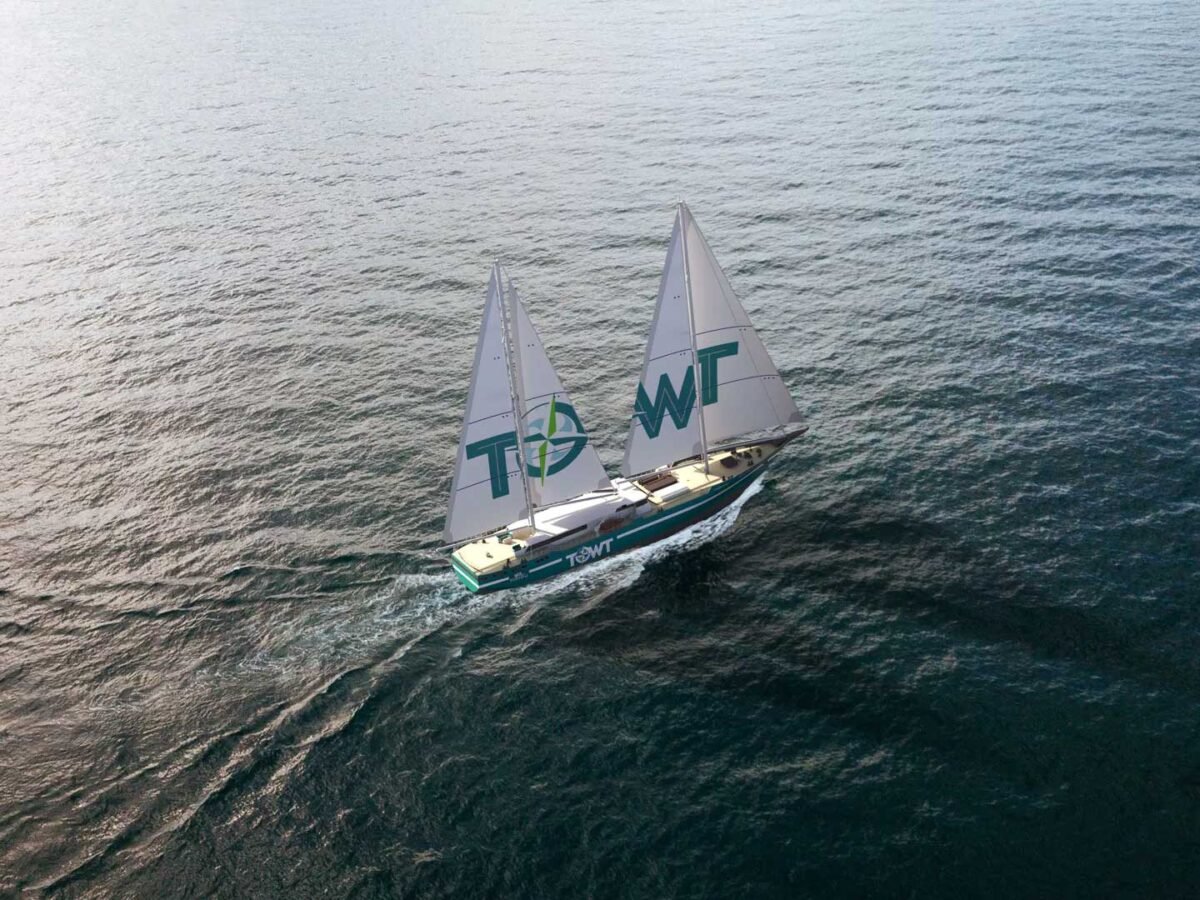
Shipped by Sailing Vessels
Its technical value also extends to logistics, as this shipment was imported by Belco via sailing vessels as part of the Fresh Coffee Clean Ocean project. This operational decision replaces the use of large shipping lines with sailing ships, achieving an 83% reduction in CO2 emissions—from 80g to just 13g per kilo transported—and completely eliminating marine noise pollution by emitting zero decibels underwater. During the journey, the coffee is stored in naturally ventilated, temperature-controlled holds, avoiding the overheating effect of traditional metal containers. The result is a fully traceable coffee, from the Producer Puchero, that arrives with its freshness intact and minimal environmental impact.
Cauca Region
The Cauca region, located in southwestern Colombia, covers an area of 29,308 km², representing 2.56% of the country’s total land area. It has played a significant role in the country’s historical development, both economically and politically, from the colonial era through to independence in 1810. Cauca, home to some of Colombia’s most impressive volcanoes, benefits from fertile, rich volcanic soil, making it a key region for coffee cultivation.
Socially, Cauca is one of the most complex departments in the country. In pre-Hispanic times, its territory was inhabited by various indigenous groups, such as the Jamundí, the Panche, the Paece, the Caloto, the Patía, the Guambiano, and the Guanaca. Today, the Western descendants live mainly in the capital, Popayán, while the indigenous peoples occupy the mountainous and remote areas.
Cauca is a leader in the production of high-quality coffee. Thanks to its climate, its varied topography shaped by the mountain ranges that run through it, and the tradition and passion of its people, it is the country’s fourth-largest Producer . It also ranks first in terms of the number of coffee-growing families, with more than 93,000 families cultivating 94,500 hectares of Arabica varieties (Castillo, Colombia, Caturra, Típica, Bourbon, and Tabí) across 34 municipalities. Coffee is grown on small plots by rural, indigenous, and Afro-descendant communities. Since 2011, Cauca coffee has held a designation of origin.