Description
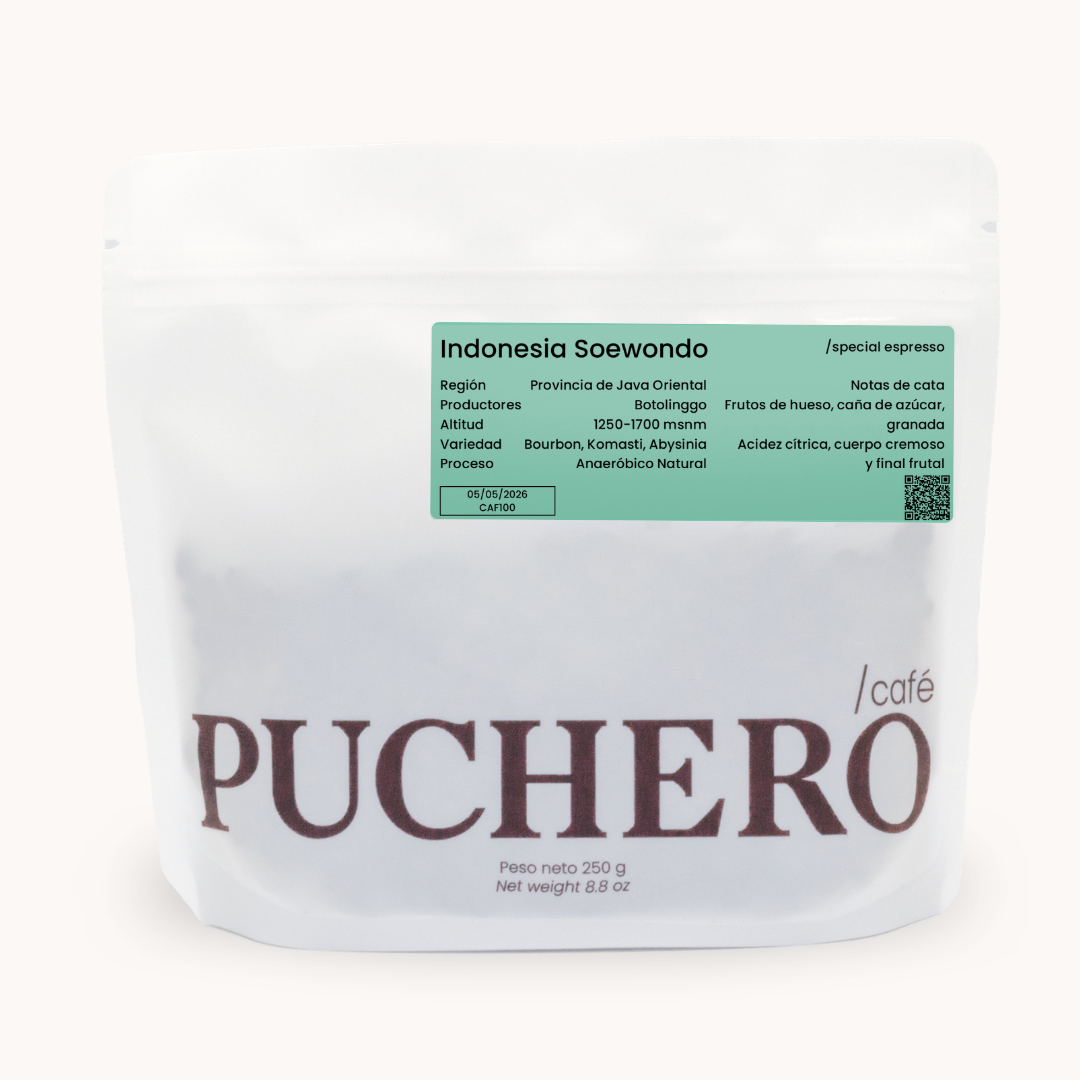
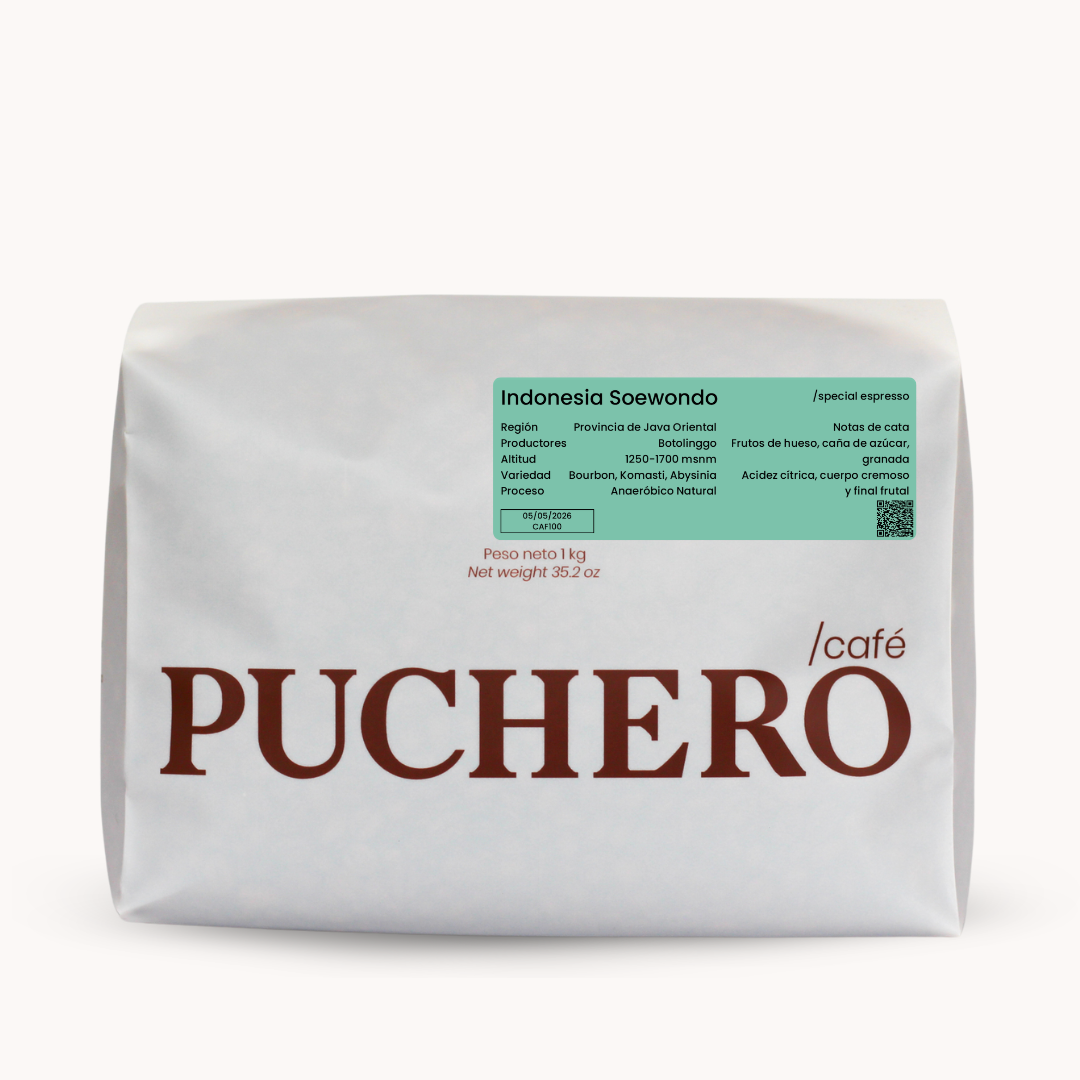
Indonesia
Soewondo
/special espresso
| Country | Indonesia |
| Region | East Java Province |
| Farm | Botolinggo |
| Height | 1,250–1,700 meters above sea level |
| Variety | Komasti, Andungsari, Bourbon, Kartika, Abysinia |
|
Process
|
Natural Anaerobic |
TASTING NOTES
Stone fruits, sugarcane, pomegranate
Citrus acidity, creamy body, fruity finish
Indonesia Soewondo
Originally from Surabaya, brothers Kevin and Kenny Soewondo have transitioned from the hospitality industry to technical expertise in the coffee supply chain. What began as a local coffee shop has evolved into a comprehensive operation that spans everything from roasting to green coffee management and processing at the origin.
Infrastructure and Quality Control
With the goal of professionalizing production, Kevin Soewondo earned Q Processing Level 3 certification in Colombia, integrating international standards into his processes. Currently, Kevenka’s operations rely on two key technological pillars to overcome the challenges of the Indonesian environment:
-
Optical Sorting of Cherries: The company has implemented a color sorter to ensure accurate and consistent selection. This technology breaks with the local tradition of wet shelling—which historically did not encourage selective harvesting—allowing for improved raw material quality without increasing the manual workload of the harvesters.
-
Post-Harvest Management: To mitigate the high humidity typical of East Java, they have installed a Pinhalense mechanical dryer. Looking ahead to the 2025 season, this investment ensures the stability of the coffee beans and prevents defects during the drying process.
Origin and Alliance with the Producer
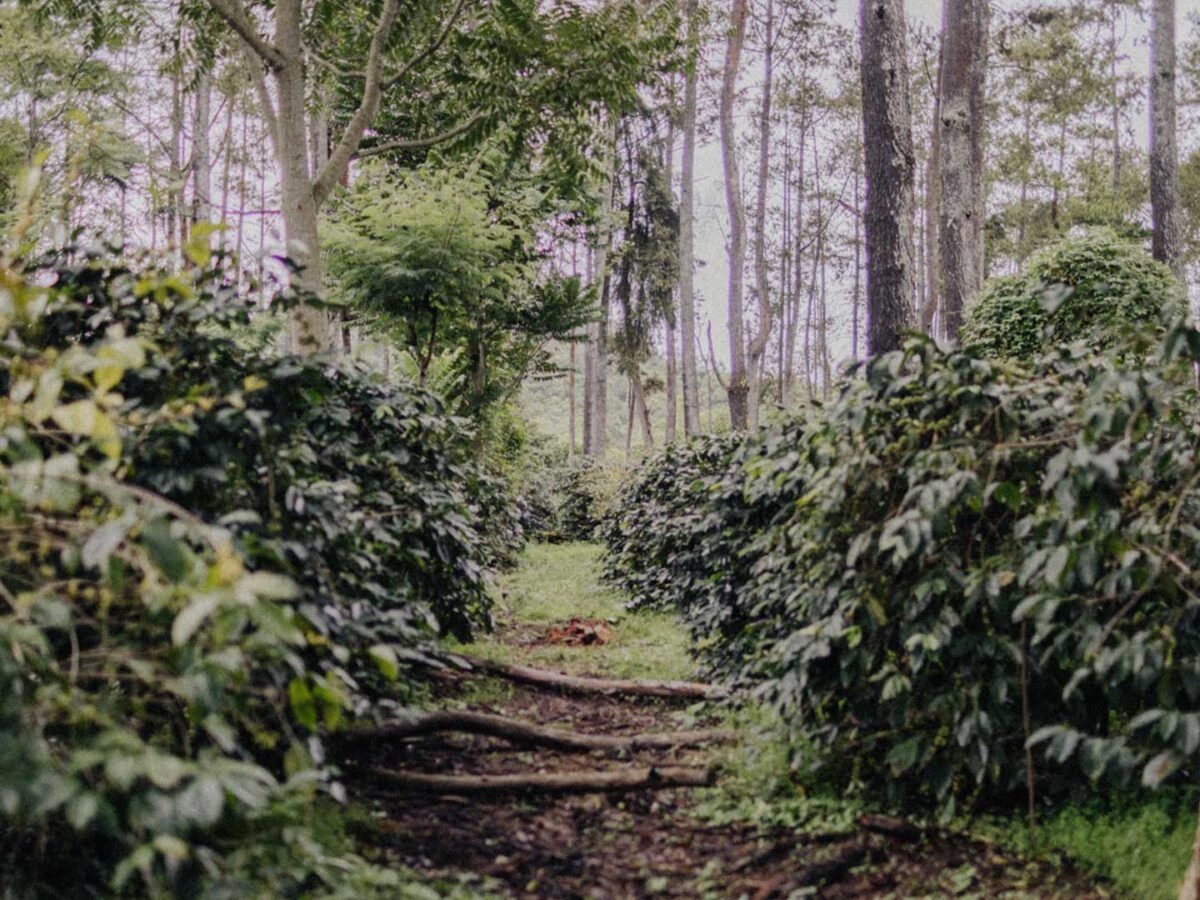
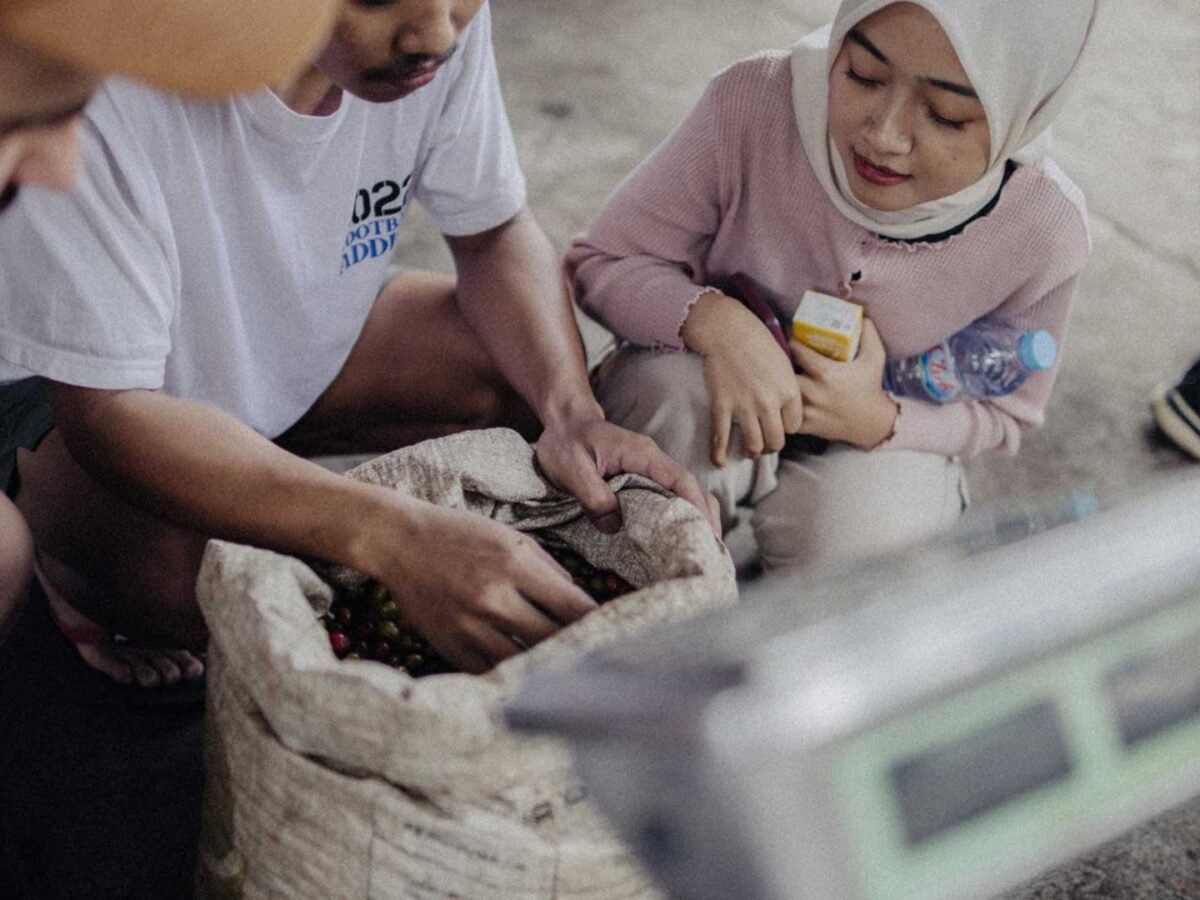
Production is concentrated on the slopes of Mount Ijen, a volcanic region in East Java that provides unique mineral conditions for cultivation. Kevenka manages five specific harvesting areas, working with a network of approximately 500 farmers from communities such as Cucuk, Aldi, Sutrisno, Sunoto, and Lis.
Logistics and Export
The production process is centralized to ensure traceability:
-
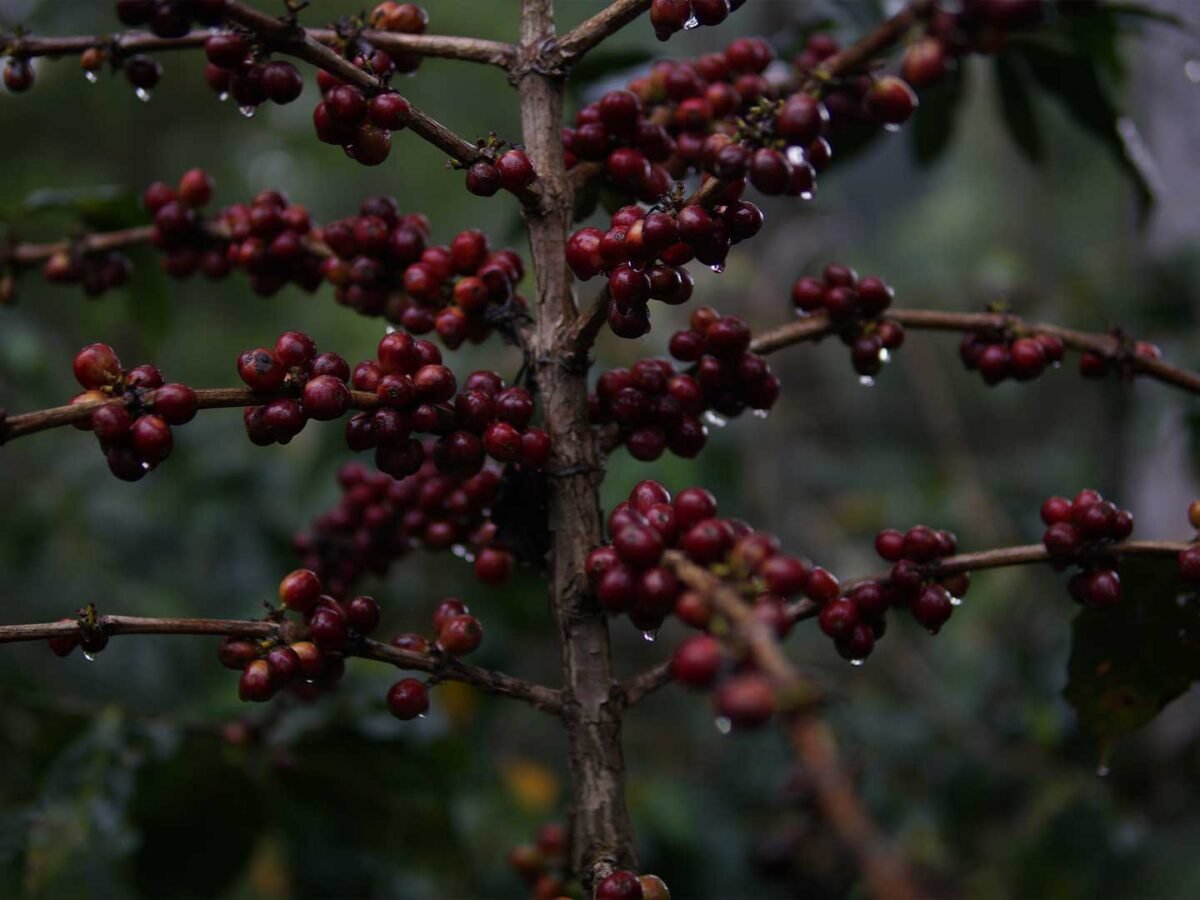
Harvest: Gathering of ripe cherries in the five areas of Ijen.
-
Processing: Transport to the processing center in the village of Botolinggo.
-
Final Processing: The facility features a dry mill where the coffee undergoes final processing in accordance with export standards, ensuring that the product leaves the region ready for the most demanding international markets.
Process: Natural Anaerobic
Harvest and Receiving
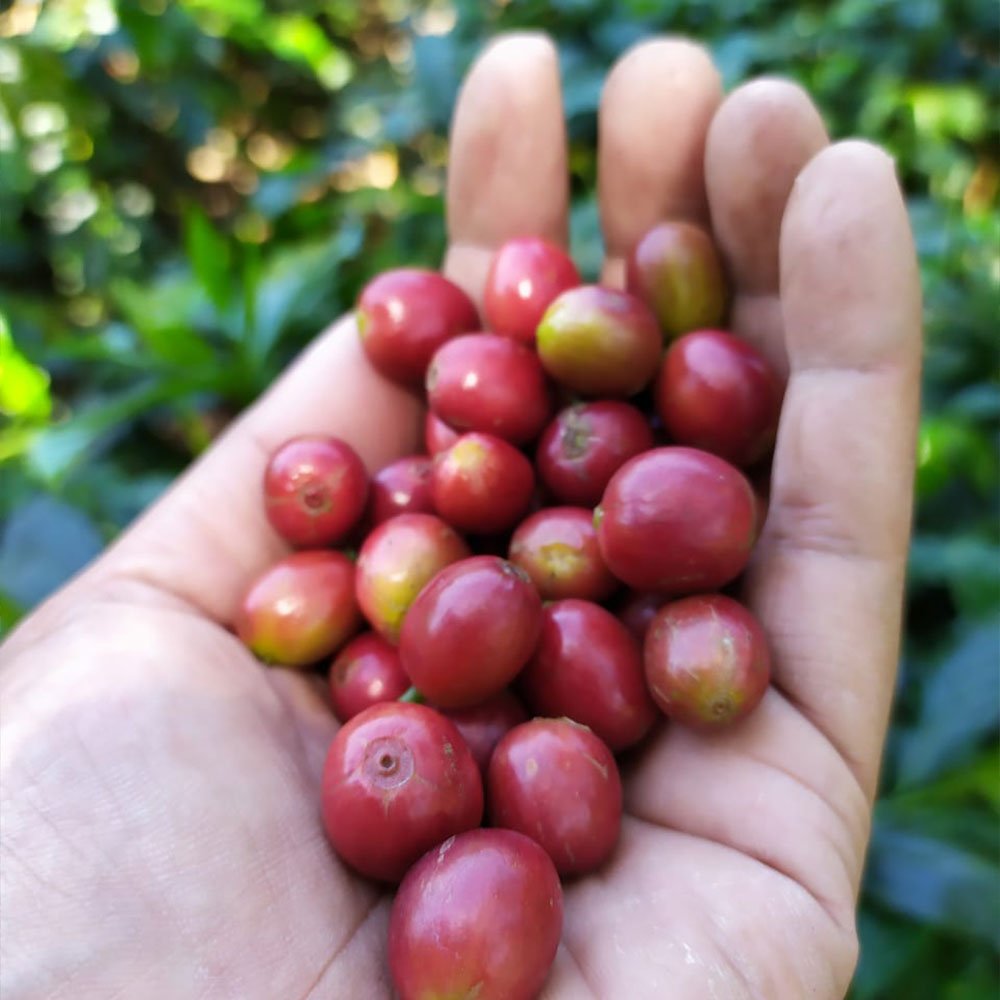
Ripe cherries are harvested and undergo a quality control check before being received at the Botolinggo plant.
Washing and Primary Sorting
The cherries are washed, followed by sorting by density and color to remove defects.
Fermentation
The cherries undergo anaerobic fermentation in tanks for 48 hours, with controlled temperature and pH.
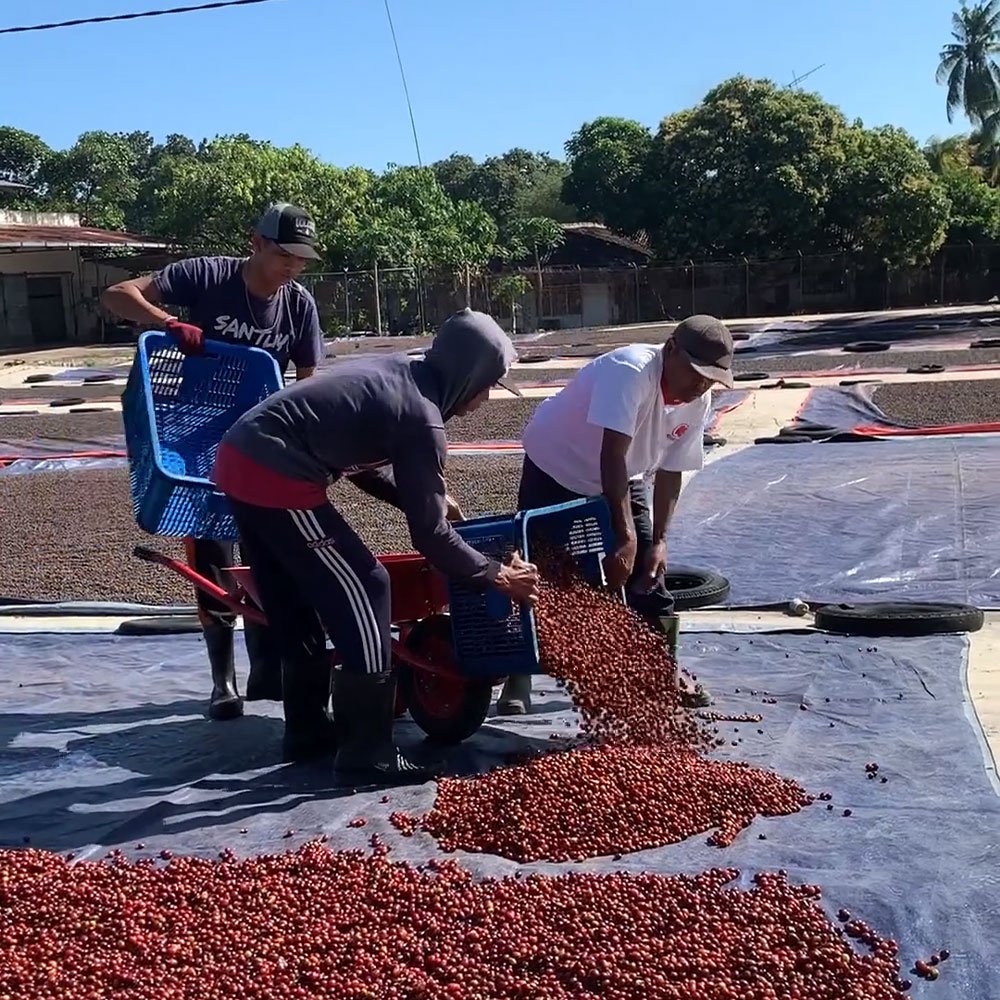
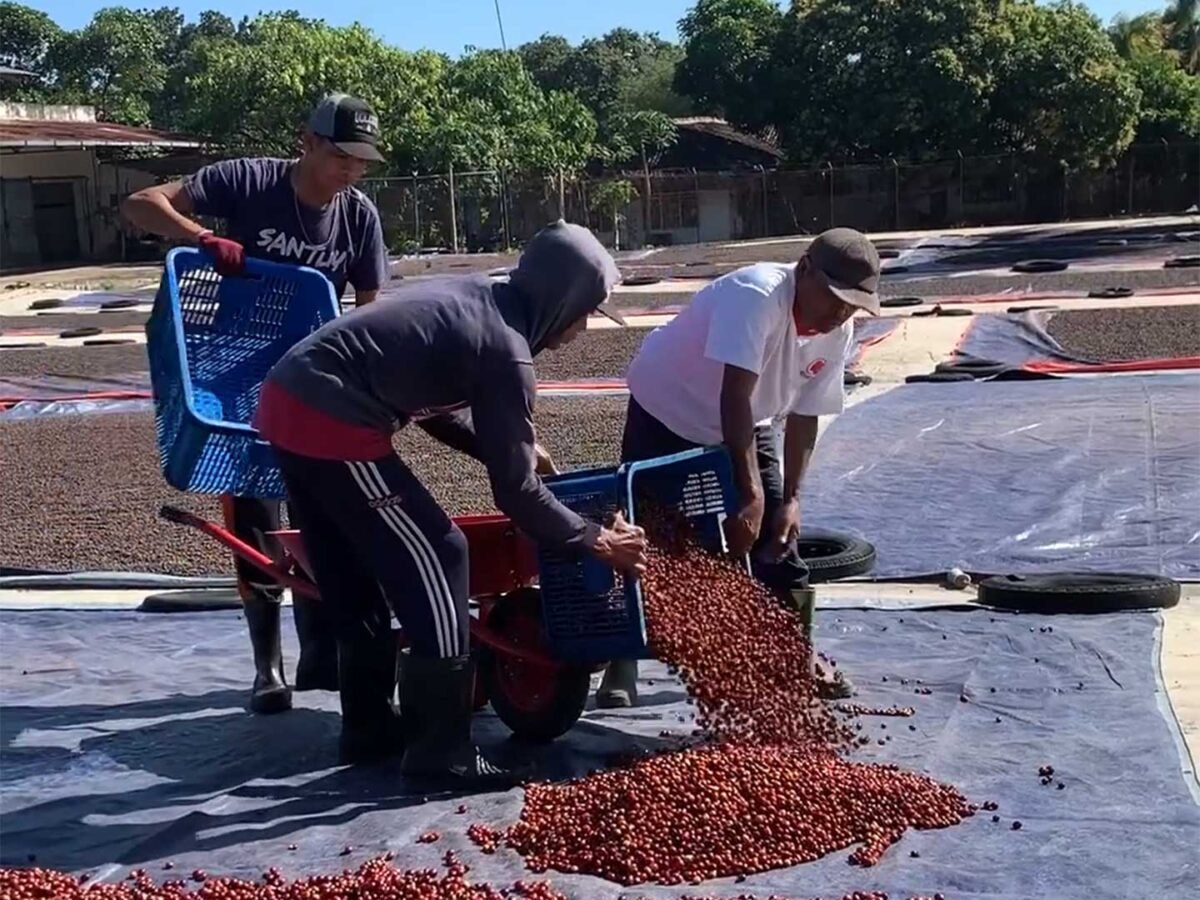
Drying
Drying takes place over 11 to 13 days until the optimal moisture content is reached. If necessary, the process is completed in a mechanical dryer at temperatures below 40 °C.
Grinding and Secondary Sorting
Once dried, the cherries are hulled and undergo various sorting processes: pneumatic sorting, mesh size sorting, density sorting (gravity table), and color sorting.
Final Inspection, Packaging, and Export
Before shipment, a final quality control inspection is conducted to ensure that the coffee meets the required standards for export.