Description
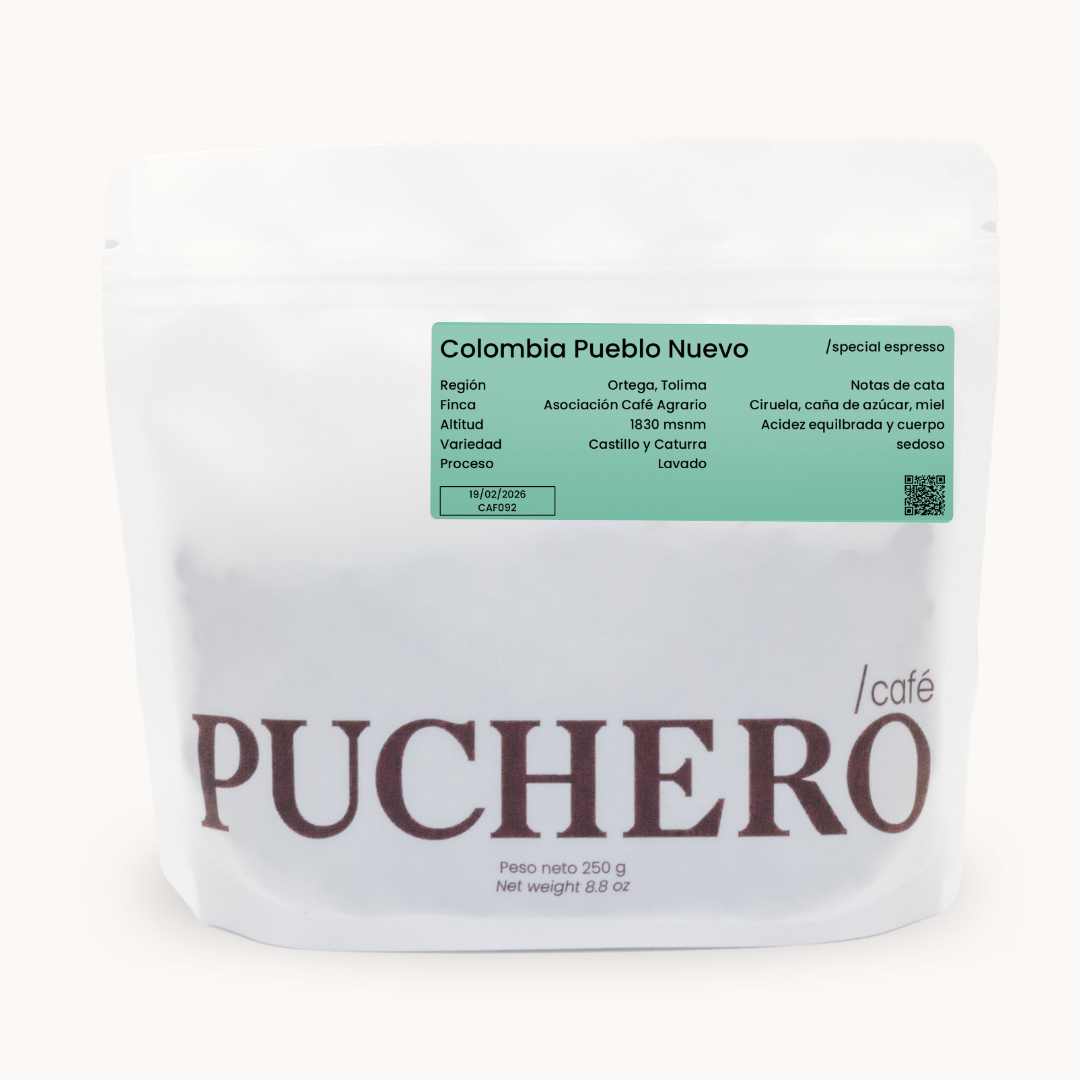
Colombia
Pueblo Nuevo
/special espresso
| Country | Colombia |
| Region | Ortega, Tolima |
| Producer | Agricultural Coffee Association |
| Height | 1830 meters above sea level |
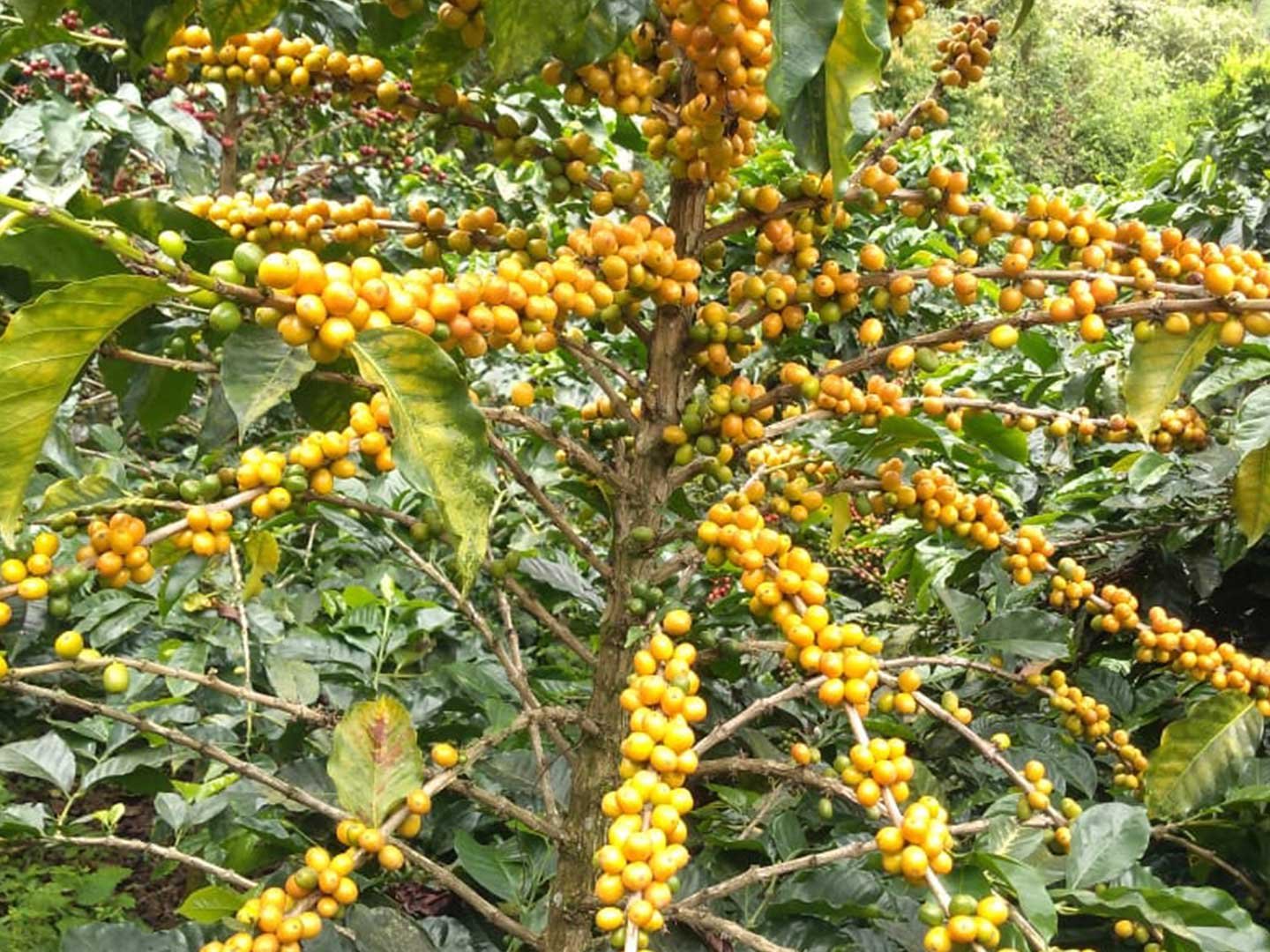
| Variety | Castillo and Caturra |
|
Process
|
Washed |
TASTING NOTES
Plum, sugarcane, honey
Balanced acidity and a silky body
Colombia, Pueblo Nuevo – Café Agrario Ortega
This coffee comes from 35 small-scale producers in the Ortega area, in the department of Tolima, who are members of the Café Agrario association. This organization, despite having faced significant social and economic challenges, has managed to establish itself thanks to its commitment to quality, sustainability, and value-added production.
For years, the association has operated in an environment marked by the consequences of armed conflict, a lack of institutional leadership, and unfair business practices—such as selling coffee on credit to middlemen who never paid for the product delivered. These challenges prompted Café Agrario to rethink its production model.
In recent years, the association has focused its efforts on specialty coffee production, committing to best practices in harvesting and post-harvest processing, as well as in roasting and selling coffee locally, thereby strengthening the community’s economy. Its vision for the future includes having its own warehouse and a purchasing center, which will allow producers to deliver their coffee directly to exporters and increase their income.
Café Agrario has been certified organic since 2020 and produces its own organic fertilizer, which is distributed among its members to ensure sustainable agricultural practices and reduce dependence on external inputs. In addition, the association has invested in training on proper wastewater management, reaffirming its commitment to protecting the environment.
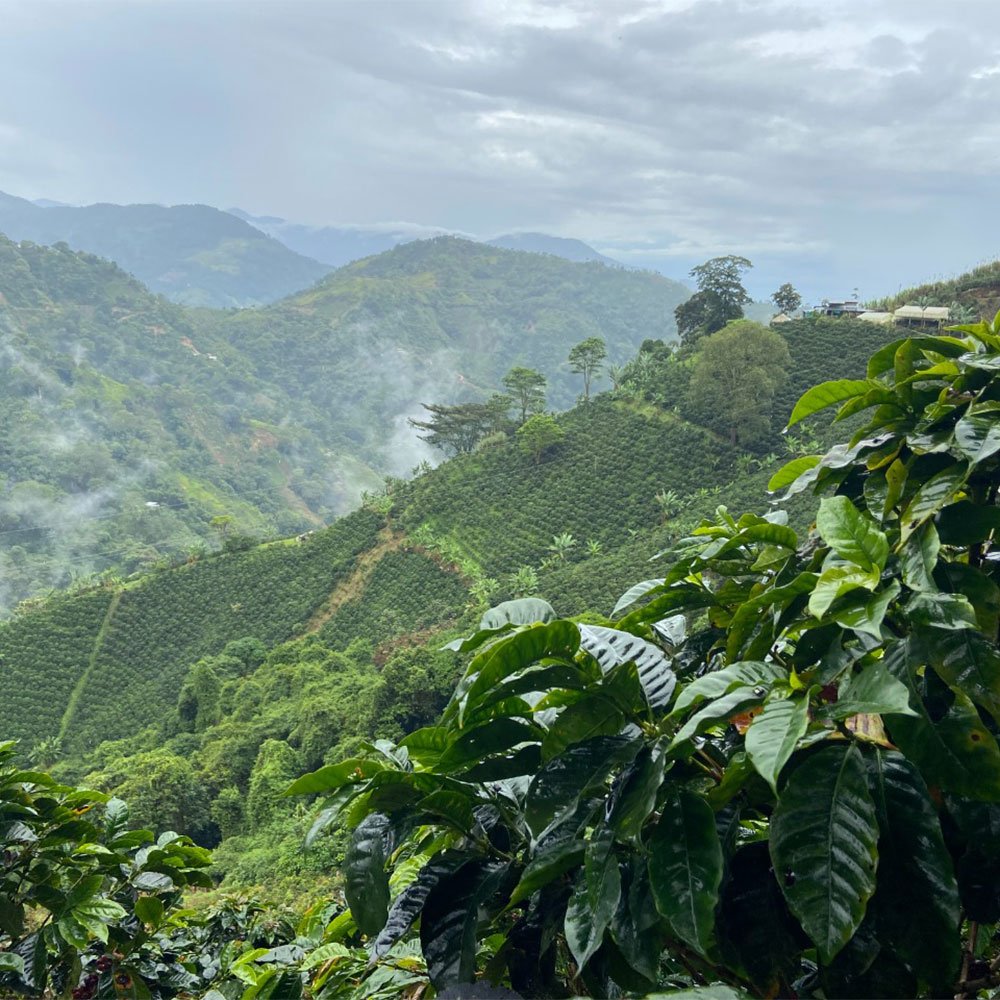
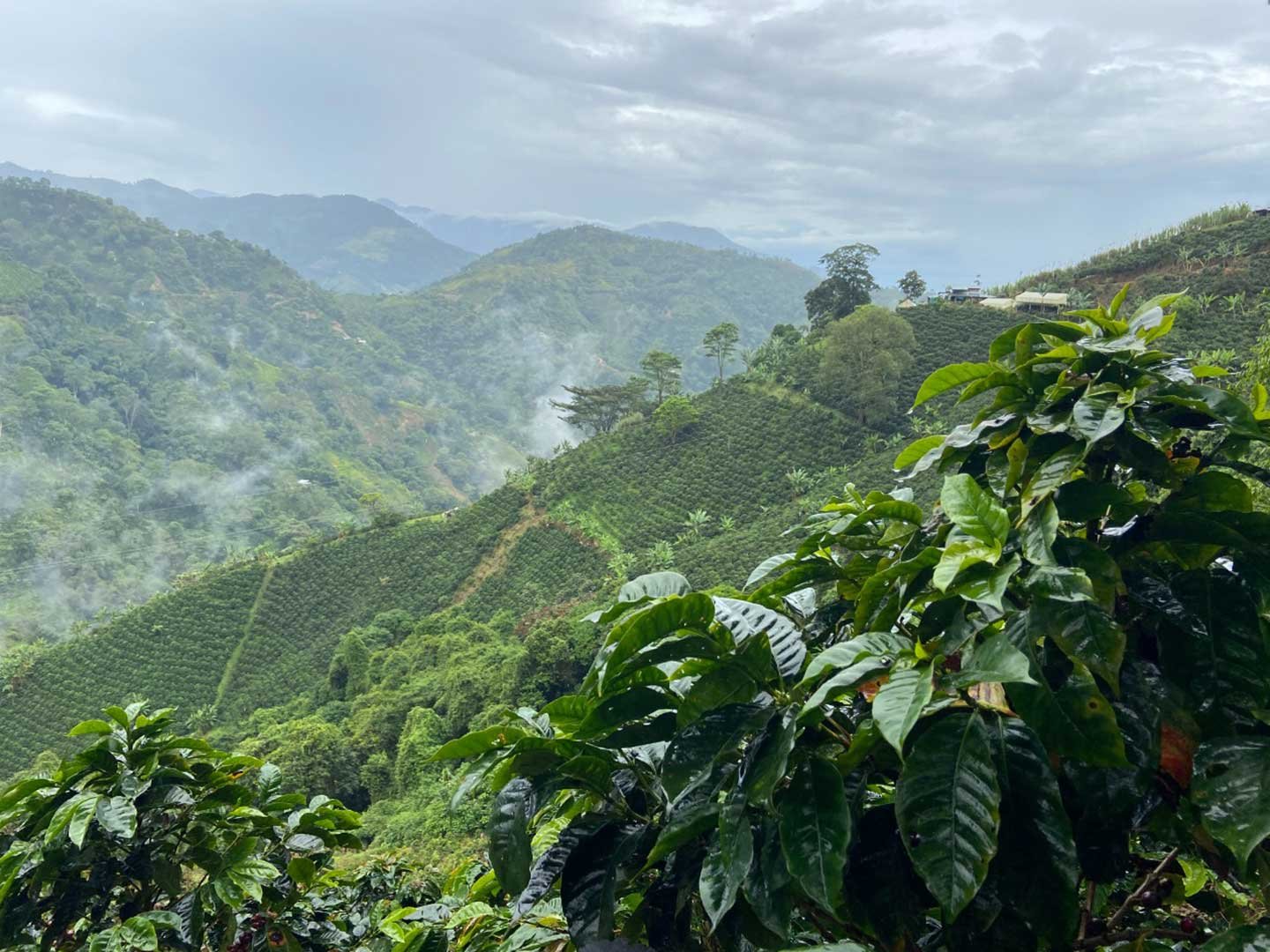
Coffee trees are grown on small-scale farms using varieties adapted to the local conditions of Tolima, in a mountainous environment ideal for producing high-quality coffee.
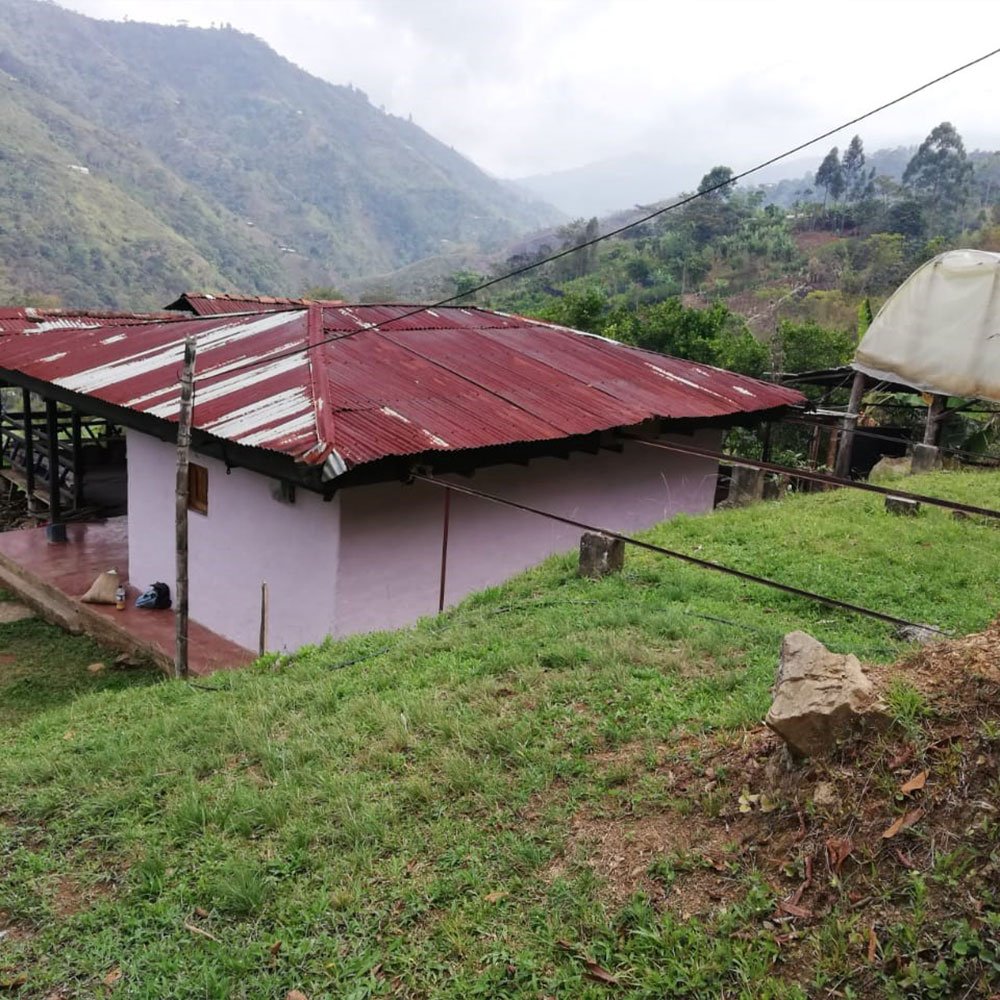
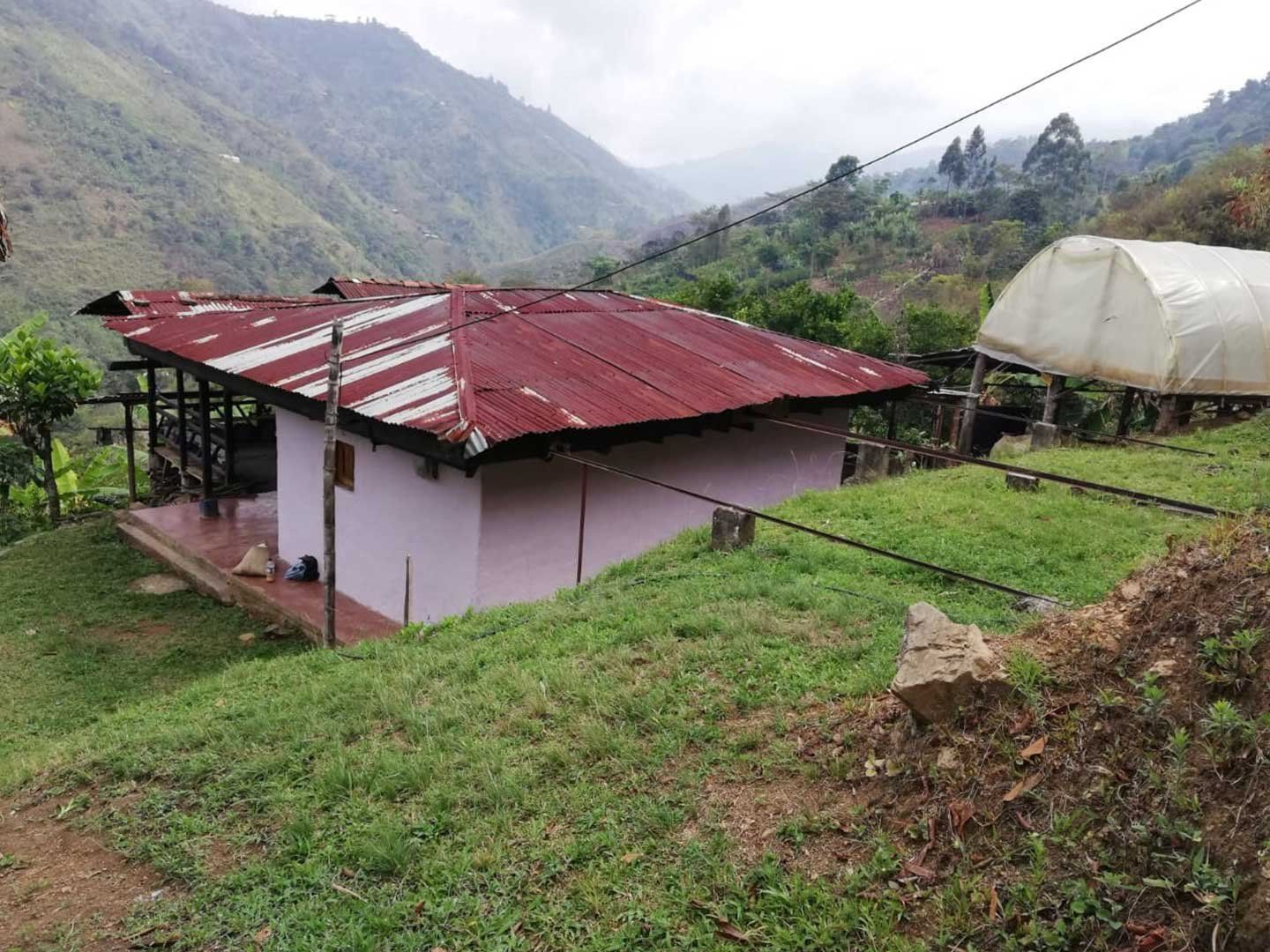
During the harvest, the coffee is picked by hand on a selective basis every 20 days. Pickers receive an additional bonus for selecting ripe cherries, incentivizing quality from the source. After harvesting, the coffee is pulped and fermented for 24 hours in tiled tanks, then washed three times and finally sun-dried on African beds, where the process is carefully monitored until the optimal moisture level is reached.