Description
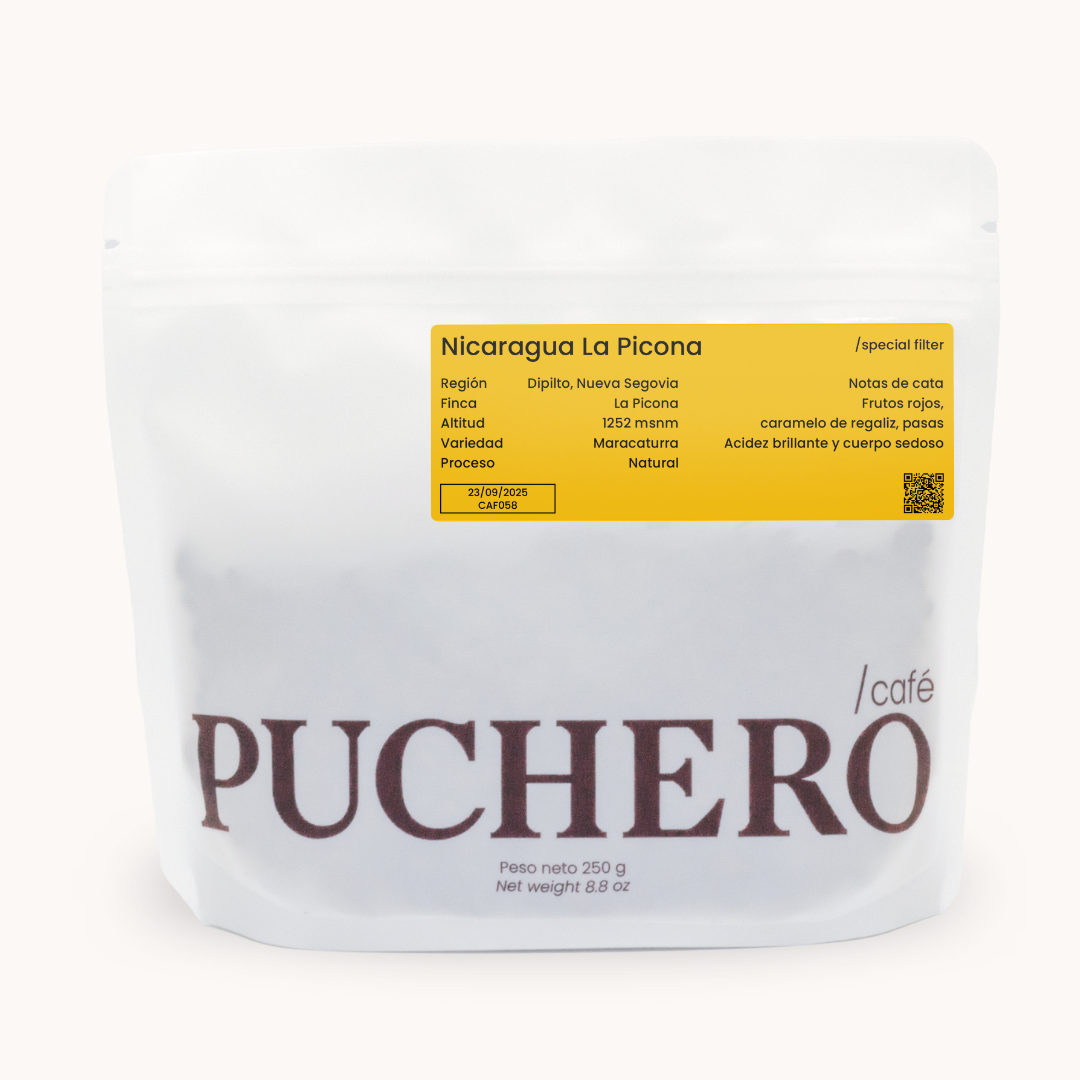
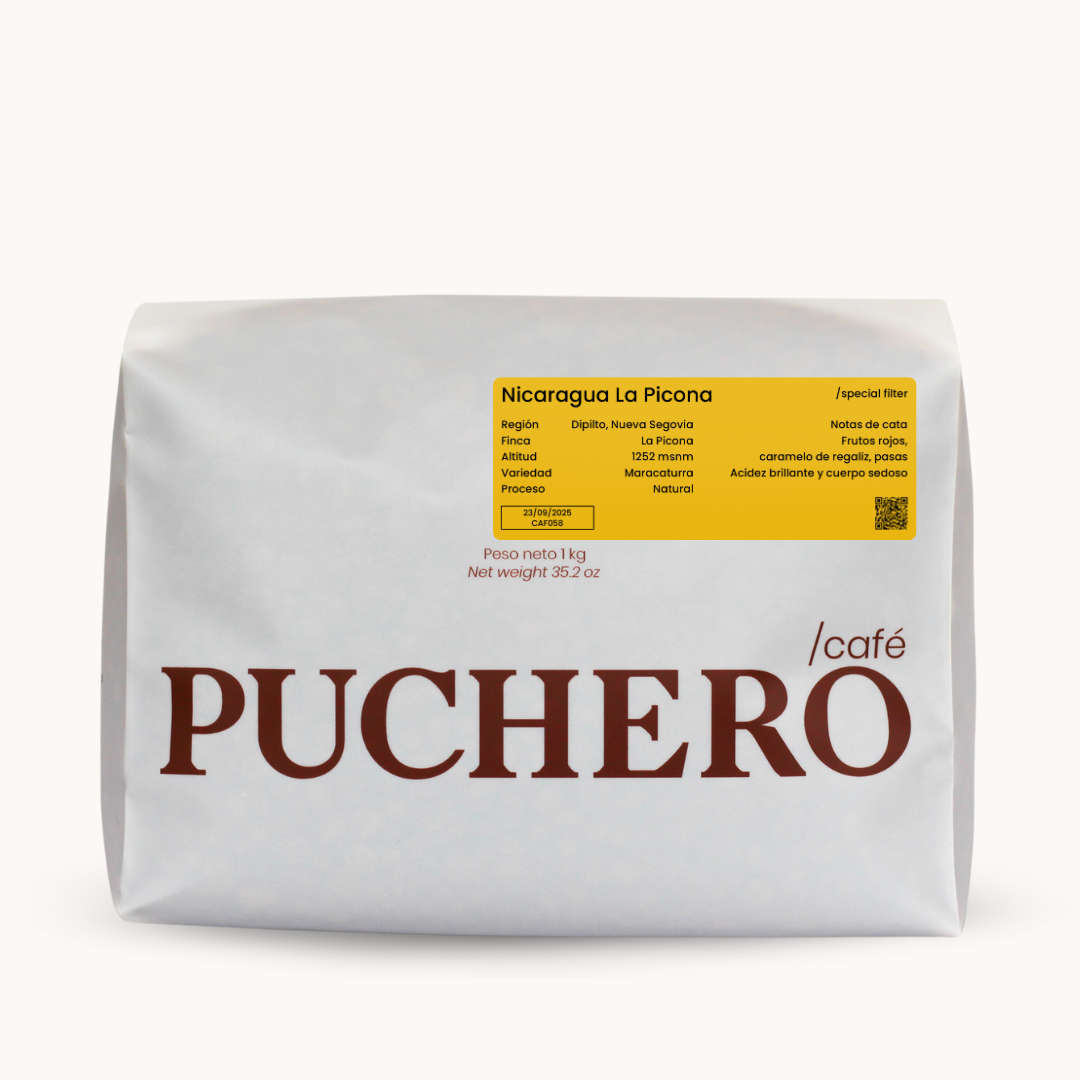
Nicaragua
La Picona
/special filter
| Country | Nicaragua |
| Region | Dipilto, Nueva Segovia |
| Farm | La Picona |
| Height | 1252 meters above sea level |
|
Variety
|
Maracaturra |
|
Process
|
Natural |
TASTING NOTES
Berries, licorice candy, raisins.
Bright acidity and a silky body.
La Picona is a family farm owned by Olga González and her son Samuel Zavala, located in Nueva Segovia, Nicaragua.
Two-time winners of the Cup ofExcellence.
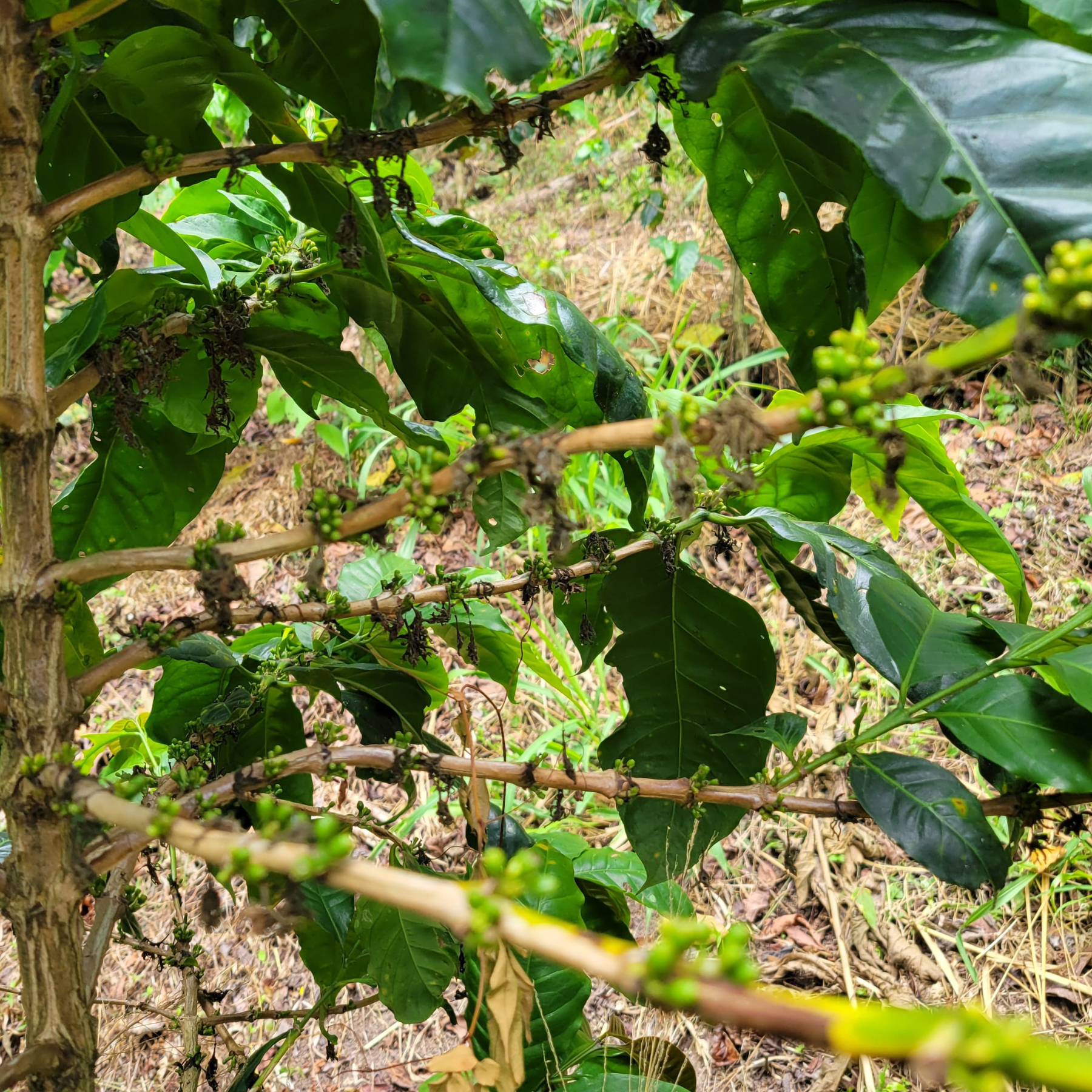
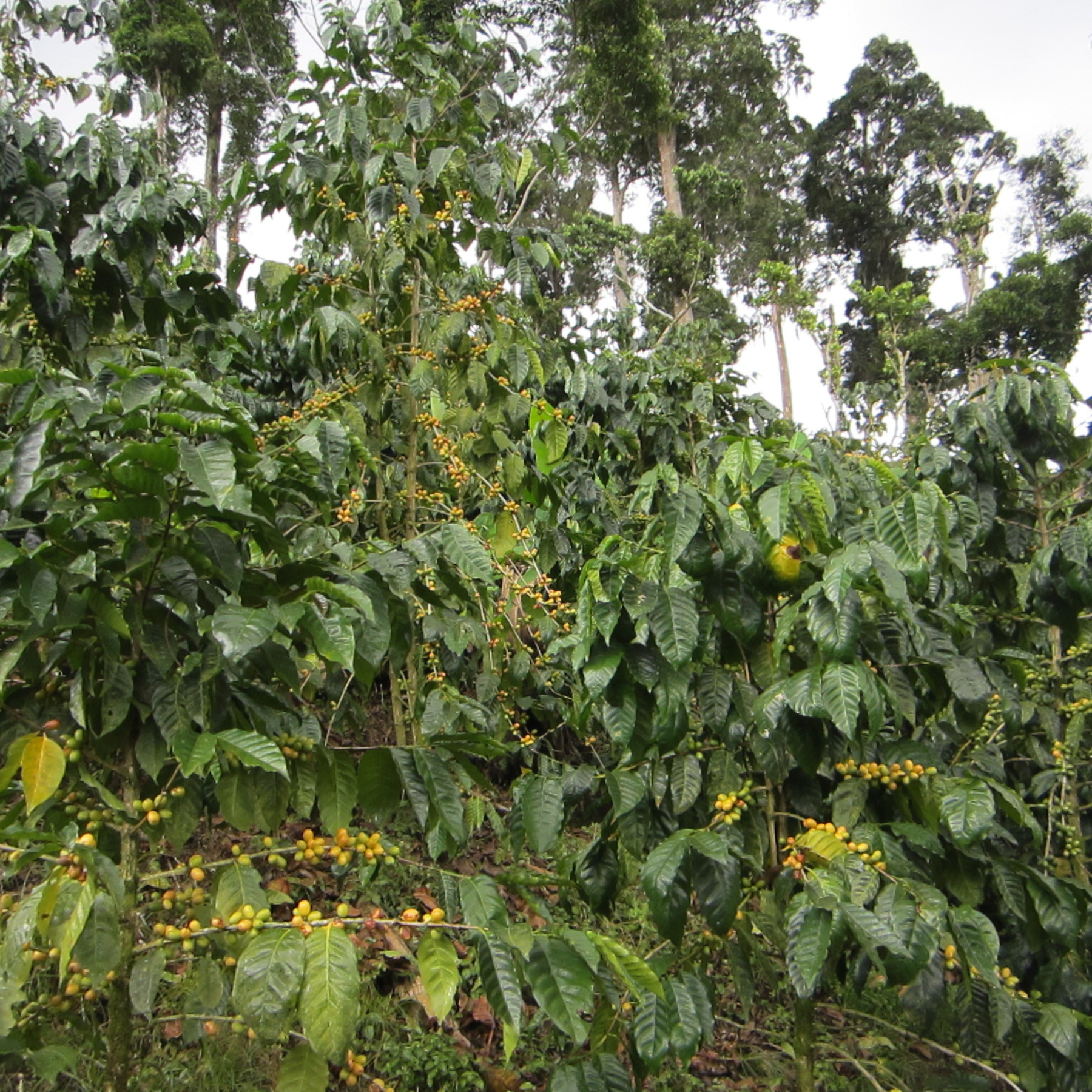
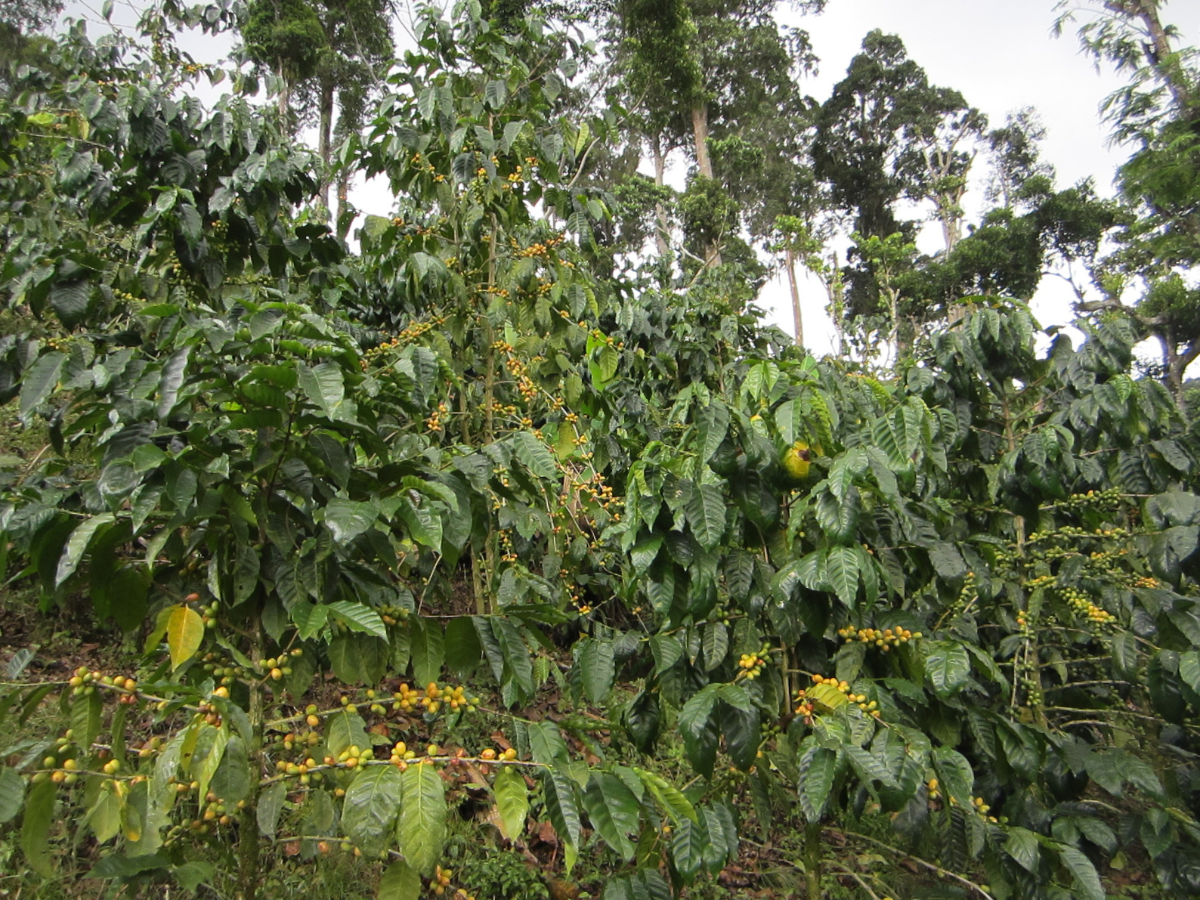
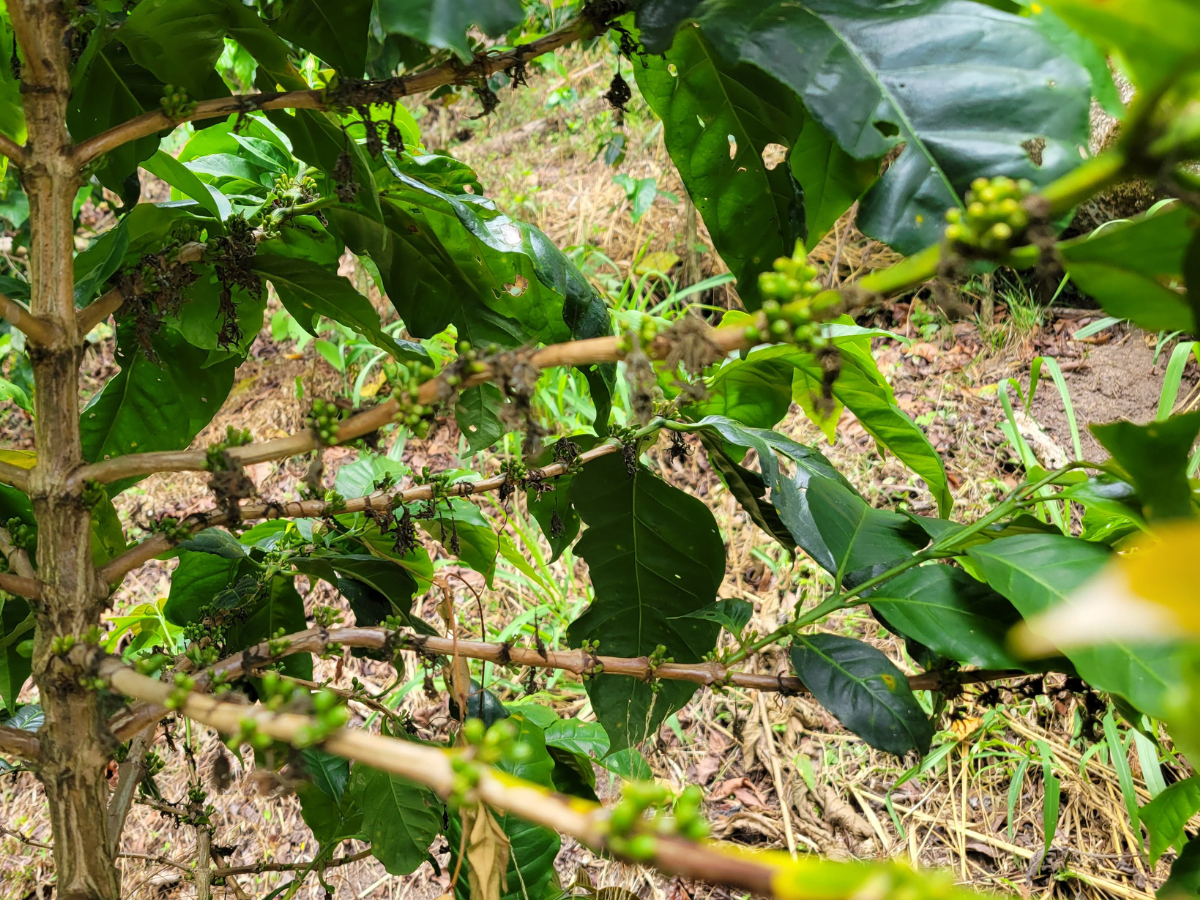
Finca La Picona is located in Dipilto, a nature reserve very close to the border with Honduras. This setting gives it a unique microclimate, ideal for growing coffee.
The farm has always belonged to Olga, but in recent years her son, Samuel Zavala, has taken over the management and oversight of the post-harvest process. Samuel carries on the family legacy while driving the farm forward with new ideas and a fresh vision. He is a trained agronomist who combines technical knowledge with a deep passion for his craft.
At Finca La Picona, they primarily grow Maracaturra, an “ Variety ” variety with exceptionally large beans that, when properly processed, reveals vibrant sensory profiles with intense fruity notes and hints of red berries.
Finca La Picona is located in the community of Las Manos, in Dipilto, Nueva Segovia, Nicaragua. It is owned by Martha Lucía Albir Sotomayor, a renowned specialty coffee producer who acquired the property in 2025, adding it to the three other farms she owns and her stake as a co-owner of the Cafetos de Segovia dry mill.
At Finca La Picona, other varieties are grown, such as yellow and red Catuaí, Geisha, Java, Caturra, and Parainema, under shade levels maintained between 30 and 50 percent, provided by Inga trees, native hardwoods, búcaro trees, banana trees, and fruit trees.
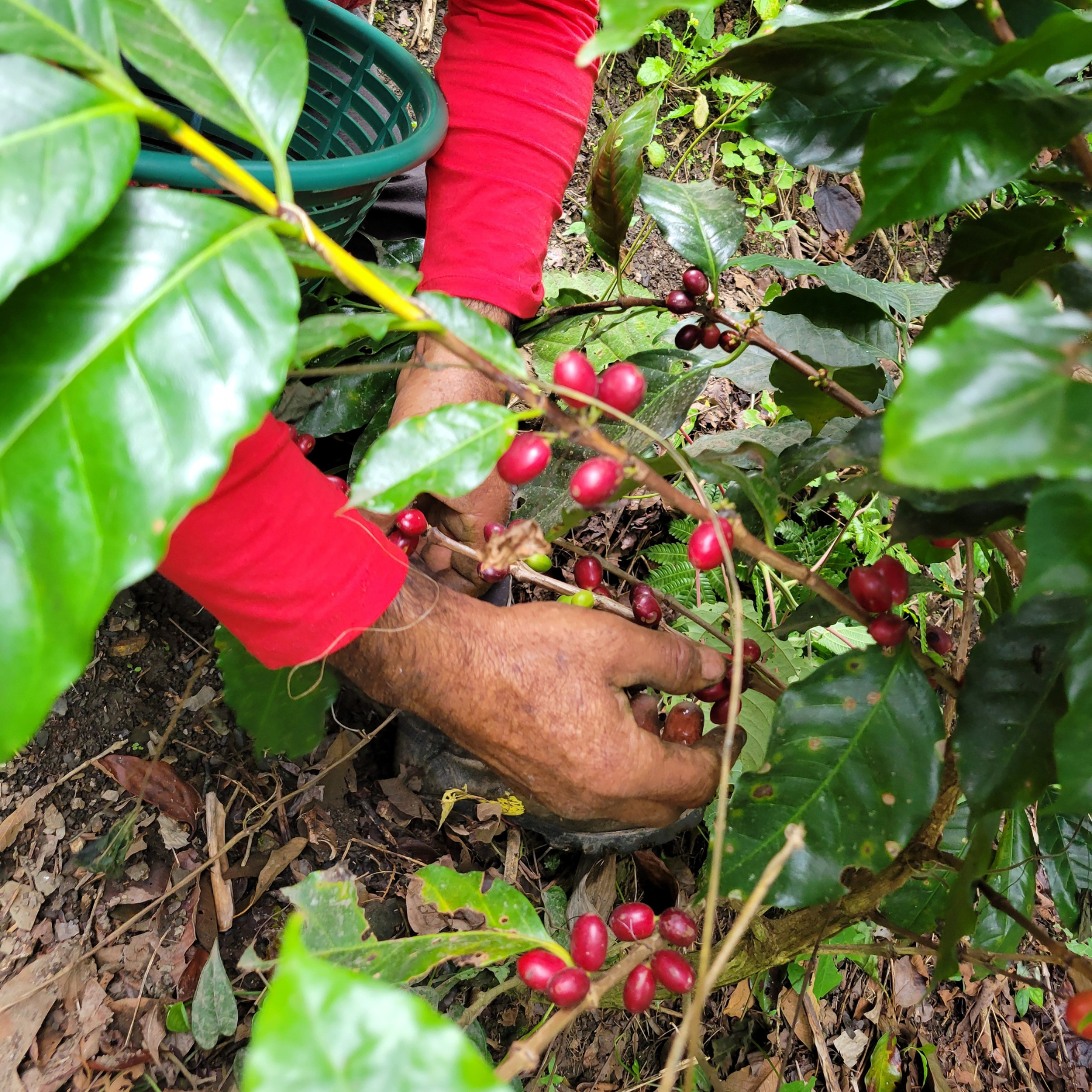
The ripe cherries are harvested by hand between January and March and then transported by truck to Finca Bethania for processing. There, they undergo washed, honey, natural, and anaerobic natural processes, following a standard protocol for cherry selection, flotation, and an 18-hour rest period.
- The washed batches ferment in tanks for 24–36 hours.
- Honey batches ferment while sealed in plastic for 24–48 hours.
- Anaerobic natural wines ferment in airtight barrels.
Finally, all the coffee cherries are transported to Cafetos de Segovia for storage, processing, marketing, and export.
Every bean tells a story of sustainable, chemical-free farming, using traditional and innovative methods, supported by 117 coffee-growing families in southern Huila.